Table of Contents
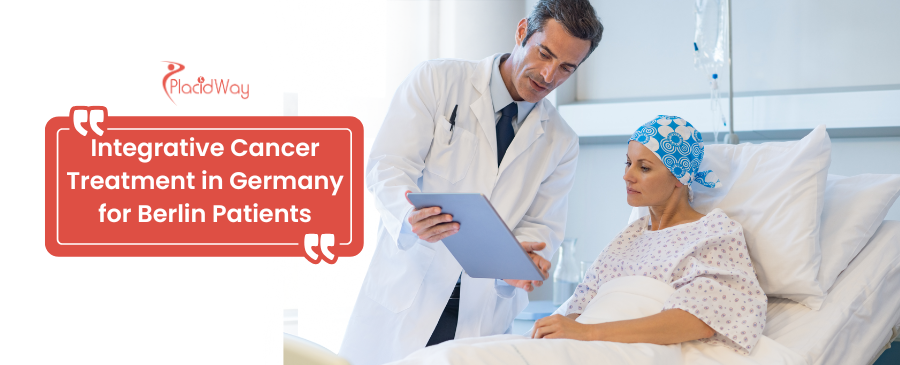
Introduction to Integrative Cancer Treatment in Germany for Berlin Patients
If you’re a patient in Berlin navigating a cancer diagnosis, the thought of treatment can feel overwhelming. Many are now looking beyond conventional methods alone, seeking a more holistic approach that addresses not just the disease, but also their overall health and well-being. This is where Integrative Cancer Treatment in Germany comes into play, offering a beacon of hope and advanced care that combines the best of both worlds: evidence-based conventional medicine with carefully selected complementary therapies. This approach aims to strengthen the body, reduce treatment side effects, and improve quality of life throughout the cancer journey.
Germany has long been at the forefront of medical innovation, and its clinics are renowned for their sophisticated approach to cancer care. For Berlin patients considering options, German clinics provide access to cutting-edge technologies and a patient-centered philosophy that views the individual as a whole. From advanced diagnostics to personalized treatment plans, the focus is on creating a synergistic strategy that tackles the cancer while supporting the patient’s physical and emotional resilience. This detailed guide will explore everything you need to know about pursuing integrative cancer treatment in Germany as a patient from Berlin, addressing common questions and providing clarity on what to expect.
What is Integrative Cancer Treatment, and how does Germany approach it?
Integrative cancer treatment is a patient-centered approach that blends standard cancer treatments with complementary therapies proven to be safe and effective. The goal is to maximize the effectiveness of cancer treatment while minimizing side effects and enhancing the patient’s quality of life. This can include therapies like nutritional support, mind-body practices, acupuncture, herbal medicine, and physical therapy, all working in conjunction with conventional oncology.
German clinics are particularly well-regarded for their sophisticated and often pioneering approach to integrative cancer treatment. They emphasize comprehensive diagnostics to understand each patient’s unique biological profile and cancer characteristics. This allows for highly personalized treatment plans that may include precision medicine, immunotherapy, and targeted therapies, alongside supportive integrative modalities. The focus is always on creating a synergistic effect, where each component of the treatment plan supports the others, aiming for better outcomes and a more comfortable patient experience.
Why should Berlin patients consider Integrative Cancer Treatment in Germany?
For patients in Berlin, choosing Integrative Cancer Treatment in Germany offers several compelling advantages. German medical institutions are globally recognized for their stringent quality control, cutting-edge research, and state-of-the-art facilities. This means access to some of the most advanced diagnostic tools and treatment modalities available worldwide, often before they become mainstream in other countries. The holistic philosophy ensures that beyond targeting the tumor, attention is paid to the patient’s nutritional status, immune system strength, mental health, and physical resilience.
Furthermore, German clinics are known for their highly experienced medical professionals, including oncologists, naturopaths, nutritionists, and psychologists, who collaborate to create comprehensive treatment strategies. This multidisciplinary team ensures that all aspects of a patient’s health are considered. The focus on personalized medicine means that treatment plans are tailored to the individual’s specific cancer type, genetic makeup, and overall health, moving beyond a one-size-fits-all approach. For Berlin patients, the relatively short travel distance also makes Germany a practical and accessible choice for receiving specialized care.
What types of integrative cancer therapies are available in German clinics?
German clinics offering integrative cancer treatment provide a broad spectrum of complementary therapies designed to work in conjunction with conventional oncology. These therapies are often evidence-informed and chosen based on their potential to support the body’s natural healing processes, reduce side effects, and improve treatment efficacy.
Commonly available integrative therapies include:
- Hyperthermia: This therapy uses heat to damage cancer cells and make them more susceptible to radiation and chemotherapy, while leaving healthy cells unharmed. It can be whole-body, regional, or local.
- High-Dose Intravenous Vitamin C: Administered intravenously, high doses of vitamin C are thought to have pro-oxidant effects on cancer cells, potentially reducing tumor growth and improving patient well-being.
- Mistletoe Therapy (Iscador/Helixor): Widely used in Germany, mistletoe extracts are believed to stimulate the immune system, improve quality of life, and potentially reduce side effects of conventional treatments.
- Ozone Therapy: Involves introducing ozone gas into the body to oxygenate tissues and potentially stimulate the immune system.
- Personalized Nutritional Therapy: Tailored dietary plans focusing on anti-inflammatory foods, nutrient dense options, and specific supplements to support the immune system and metabolic health.
- Detoxification Protocols: Therapies aimed at supporting the body’s natural detoxification pathways to reduce the burden of toxins from cancer and treatments.
- Mind-Body Practices: Techniques such as meditation, yoga, biofeedback, and psychotherapy to manage stress, anxiety, and pain, enhancing mental and emotional resilience.
- Immune-Boosting Protocols: Strategies to strengthen the immune system through various natural compounds, supplements, and therapies.
These therapies are typically administered under strict medical supervision and are carefully integrated into the overall treatment plan to ensure safety and effectiveness for Berlin patients seeking comprehensive care.
How do German clinics combine conventional and integrative cancer treatment?
The integration of conventional and integrative cancer treatment in Germany is a hallmark of their patient-centric care. It’s not about choosing one over the other, but rather strategically combining them for optimal outcomes. This begins with a thorough initial assessment, often involving advanced diagnostics beyond standard pathology, to understand the unique biological profile of the patient’s cancer. Based on this, a personalized treatment strategy is formulated by a team of specialists.
For instance, a patient might undergo chemotherapy or radiation therapy as their primary conventional treatment. Simultaneously, they might receive high-dose intravenous vitamin C to mitigate side effects and potentially enhance chemotherapy’s effectiveness. Hyperthermia might be applied before or during radiation to sensitize cancer cells. Nutritional support and detoxification protocols are often used to maintain the patient’s strength and minimize treatment-related toxicity. Mind-body therapies are incorporated to manage stress and improve psychological well-being throughout the rigorous treatment process. The key is seamless coordination, with therapies scheduled to avoid conflicts and maximize beneficial interactions, ensuring that the integrative cancer treatment in Germany provides comprehensive support.
What is the typical cost of Integrative Cancer Treatment in Germany for Berlin patients?
Understanding the cost associated with Integrative Cancer Treatment in Germany is crucial for Berlin patients considering this option. Unlike standard conventional treatments, which might be partially covered by national health insurance, many integrative therapies are considered “alternative” or “complementary” and are often not reimbursed by public or even some private health insurance plans. Therefore, patients should be prepared for out-of-pocket expenses.
The total cost can vary widely based on several factors:
- Type and Duration of Therapies: Intensive, multi-week programs involving advanced therapies like hyperthermia, high-dose IV treatments, and specialized diagnostics will naturally cost more than shorter, less intensive plans.
- Clinic Reputation and Location: Renowned clinics with highly specialized doctors and advanced technology may have higher fees.
- Individual Patient Needs: The complexity of the cancer, the patient’s overall health, and the personalized nature of the treatment plan all influence the final cost.
Patients should expect costs for initial consultations, diagnostic tests (which can be extensive and specialized), daily treatments, accommodation, and living expenses during their stay. It is highly recommended to obtain a detailed breakdown of costs directly from the chosen German clinic and to consult with insurance providers regarding any potential coverage for specific conventional components of the treatment.
How do Berlin patients arrange travel and accommodation for cancer treatment in Germany?
Arranging travel and accommodation for integrative cancer treatment in Germany from Berlin is generally straightforward due to the proximity and excellent infrastructure. For most Berlin patients, travel to German cities with specialized clinics is easily managed via direct train services or driving, which often takes just a few hours. This minimizes the stress of long-haul flights, especially important for patients undergoing treatment.
Once a clinic is chosen, many German integrative cancer treatment centers understand the needs of patients traveling for care. They often provide dedicated international patient services or patient coordinators who can assist with:
- Accommodation: Recommending nearby hotels, serviced apartments, or guesthouses that cater to medical tourists, sometimes at discounted rates. Some clinics may even have on-site accommodation options.
- Transportation: Guidance on local transport from the accommodation to the clinic, or even arranging transfers for those with mobility challenges.
- Language Support: Many clinics have English-speaking staff, and some can arrange for translators if needed, although within Germany, English is widely spoken in medical settings.
- Logistics: Help with appointment scheduling, understanding treatment plans, and navigating local services.
It’s always advisable for Berlin patients to communicate their specific needs regarding travel and accommodation early in the process with their chosen German clinic to ensure a comfortable and stress-free stay during their cancer treatment.
Are German integrative cancer clinics recognized and regulated?
German healthcare is highly regulated, and integrative cancer clinics are no exception. All medical facilities in Germany, including those offering integrative approaches, must adhere to strict national healthcare laws and professional standards. This means that doctors are licensed, facilities meet rigorous hygiene and safety requirements, and equipment is regularly inspected and calibrated. Patients can be assured of a high level of medical professionalism and ethical conduct.
While the integrative therapies themselves might not always be universally recognized by all mainstream medical bodies or covered by standard insurance, the clinics providing them are legitimate medical establishments. Many German clinics also participate in quality assurance programs and accreditation processes to further demonstrate their commitment to patient safety and quality care. For Berlin patients, this robust regulatory framework provides a significant level of reassurance and trust in the medical care they receive when seeking integrative cancer treatment in Germany. It ensures that even specialized or innovative treatments are provided within a secure and well-monitored environment.
What support services are offered to international patients seeking integrative cancer treatment in Germany?
German clinics, particularly those specializing in attracting international patients for advanced care, often go above and beyond to provide a seamless experience. This is especially beneficial for Berlin patients who, while not international in the broader sense, are traveling for specialized care and may need additional support. These support services are designed to alleviate the logistical and emotional burdens associated with medical travel.
Typical support services include:
- International Patient Desks: Dedicated departments with multilingual staff who serve as a single point of contact for all inquiries and arrangements.
- Language Services: Availability of English-speaking doctors and staff is common. For other languages, clinics can often arrange professional medical translators.
- Travel and Accommodation Assistance: Help with booking flights, arranging airport transfers, and finding suitable accommodation near the clinic that meets the patient’s needs and budget.
- Visa Support: For patients traveling from outside the Schengen area, clinics can provide invitation letters and guidance to assist with the medical visa application process.
- Financial Coordination: Assistance with understanding treatment costs, payment options, and providing documentation for insurance claims (where applicable).
- Emotional and Psychological Support: Some clinics offer access to counselors or support groups, recognizing the emotional toll of cancer treatment.
These comprehensive services ensure that Berlin patients can focus on their health and recovery, with the practicalities of their integrative cancer treatment in Germany expertly managed.
What are the success rates or patient experiences with integrative cancer treatment in Germany?
Quantifying “success rates” for integrative cancer treatment in Germany is challenging due to the highly individualized nature of cancer itself and the diverse combination of therapies used. Unlike a single drug trial, integrative care involves a personalized blend of conventional and complementary treatments, making broad statistical claims difficult. What is consistently reported, however, are significant improvements in patient experience and quality of life.
Many patients undergoing integrative cancer treatment in Germany report:
- Reduced Side Effects: Complementary therapies often help mitigate the harsh side effects of chemotherapy and radiation, such as nausea, fatigue, and pain.
- Improved Well-being: Holistic approaches addressing nutrition, mental health, and physical activity contribute to a better overall sense of well-being and resilience.
- Enhanced Immune Function: Various integrative therapies aim to strengthen the immune system, which is crucial in fighting cancer and recovering from treatment.
- Personalized Care: Patients often appreciate the detailed attention to their individual needs and the feeling of being an active participant in their treatment journey.
While direct “cure rates” are difficult to attribute solely to the integrative components, the combination approach often leads to better tolerance of conventional treatments, potentially allowing patients to complete their full course of therapy, and ultimately, contributing to positive long-term outcomes. Many Berlin patients share testimonials of renewed hope and a better quality of life while battling cancer in German clinics.
How can Berlin patients find the right integrative cancer treatment center in Germany?
Finding the “right” integrative cancer treatment center in Germany is a crucial step for Berlin patients and requires careful consideration. It’s important to approach this decision with thorough research and clear expectations.
Here’s a step-by-step guide:
- Research Reputable Clinics: Look for clinics specifically known for integrative cancer treatment in Germany. Focus on their medical staff’s qualifications, their experience with your specific cancer type, and their overall philosophy.
- Check Accreditation and Regulation: Ensure the clinic is a licensed medical facility in Germany and adheres to national healthcare standards. Look for any additional certifications or quality labels.
- Assess Therapy Range: Compare the range of conventional and complementary therapies offered. Does it align with what you’re looking for? Are the therapies evidence-informed?
- Read Patient Testimonials and Reviews: While anecdotal, patient experiences can provide valuable insights into the clinic’s environment, staff attentiveness, and overall patient satisfaction.
- Consult with Medical Tourism Facilitators: Organizations like PlacidWay specialize in connecting patients with suitable clinics abroad. They can provide unbiased information, help with comparisons, and assist with logistics.
- Request an Initial Consultation: Before committing, arrange a remote or in-person consultation with the clinic’s medical team. This allows you to discuss your case, understand their proposed treatment plan, clarify costs, and assess if the clinic’s approach resonates with you.
- Consider Location and Logistics: Think about the travel time from Berlin, accommodation options, and the overall convenience of the clinic’s location for your extended stay.
By carefully evaluating these factors, Berlin patients can make an informed decision and find an integrative cancer treatment center in Germany that best suits their needs and provides the comprehensive care they seek.
What questions should Berlin patients ask clinics about their integrative approach?
When considering integrative cancer treatment in Germany, asking the right questions during your initial consultations is vital for Berlin patients to ensure transparency and confidence in their chosen clinic. These questions will help you understand the clinic’s approach, what to expect, and if it aligns with your personal values and medical needs.
Key questions to ask include:
- What is your clinic’s overall philosophy regarding integrative cancer treatment? This helps understand their core principles and how they view the balance between conventional and complementary care.
- What specific integrative therapies do you offer, and what is the evidence base for their use in my type of cancer? Request information on studies, clinical experience, and why certain therapies are chosen.
- How do you coordinate and integrate conventional treatments (e.g., chemotherapy, radiation) with the complementary therapies? Understand the scheduling and oversight process.
- Who will be on my medical team, and what are their qualifications and specialties? Ask about the oncologists, naturopaths, nutritionists, and other specialists involved.
- Can you provide a detailed breakdown of all costs associated with the treatment plan, including diagnostics, therapies, and follow-up? Be explicit about what is and isn’t included.
- What is the typical duration of treatment, and what does the follow-up care look like? Understand the time commitment and continued support.
- How do you monitor treatment effectiveness and adjust the plan based on my progress? Inquire about diagnostic re-evaluation and personalized adjustments.
- What support services are available for patients traveling from Berlin, including accommodation and language assistance? Clarify all logistical help provided.
By asking these detailed questions, Berlin patients can gain a clear understanding of the clinic’s capabilities and commitment to providing comprehensive integrative cancer treatment in Germany.