
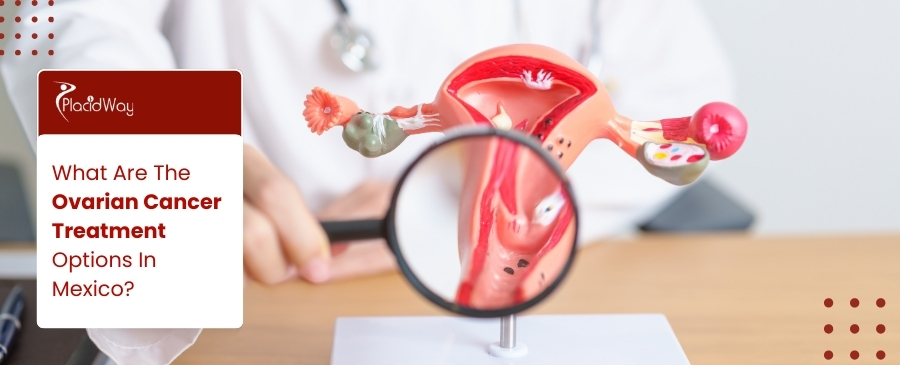
What Are The Ovarian Cancer Treatment Options In Mexico?

What Are The Ovarian Cancer Treatment Options In Mexico?

What Are The Ovarian Cancer Treatment Options In Mexico?

Mexico offers comprehensive ovarian cancer treatment options, including advanced surgical procedures, chemotherapy, targeted therapies, and radiation, delivered by specialized oncology teams. Patients frequently experience 40-70% cost savings compared to treatments in the US or Canada, without compromising quality or access to modern technologies.

Navigating an ovarian cancer diagnosis can be overwhelming, with numerous decisions impacting your health journey. For many, seeking high-quality, affordable treatment options outside their home country has become a viable path.

Mexico has emerged as a prominent destination for medical tourism, offering advanced care for various conditions, including complex oncology treatments. This guide will provide a clear and comprehensive look at What Are The Ovarian Cancer Treatment Options In Mexico?, helping you understand your choices better.

Understanding the specifics of ovarian cancer treatment in Mexico is a crucial first step for anyone exploring global healthcare solutions. It’s important to note that PlacidWay acts as a medical tourism facilitator, connecting patients with trusted providers and not directly delivering medical care.

Our aim is to empower you with essential information, enabling informed decisions about your health. We focus on transparency and accuracy to guide you through your medical tourism journey.

Why Consider Ovarian Cancer Treatment in Mexico?

  • Advanced Procedures: Access modern surgical techniques, chemotherapy regimens, and targeted systemic therapies for comprehensive care.
  • Significant Cost Savings: Realize up to 70% cost reductions compared to treatment expenses in the United States or Canada, making advanced care more accessible.
  • Specialized Medical Teams: Benefit from multidisciplinary teams, including highly skilled gynecologic oncologists, surgeons, and supportive care specialists.
  • Comprehensive Care: Experience a holistic approach to patient care, focusing on not just treatment but also overall recovery and well-being.
  • Modern Facilities: Treatment takes place in hospitals and clinics equipped with state-of-the-art diagnostic tools and advanced therapeutic technologies.

Understanding Ovarian Cancer Treatment in Mexico: A Medical Overview

Ovarian cancer treatment encompasses a range of medical interventions aimed at removing or destroying cancerous cells in the ovaries and preventing their spread. The primary goal is cytoreduction, or debulking, to remove as much tumor tissue as possible and improve patient prognosis.

Mexican oncology centers provide internationally recognized treatment protocols and technologies. These typically involve a multi-modal approach, combining surgical intervention with systemic therapies such as chemotherapy and increasingly, targeted drugs.

The approach to treatment is highly individualized. It depends significantly on the stage of the cancer, the patient’s overall health status, and specific genetic markers of the tumor.

Multidisciplinary teams including oncologists, surgeons, radiologists, and pathologists collaborate. This ensures a holistic and tailored care plan for each unique case, focusing on optimal patient outcomes.

Surgical Interventions for Ovarian Cancer

Surgery is often the primary and most critical step in ovarian cancer treatment globally, including in Mexico. Its main purpose is cytoreduction, aiming to remove as much cancerous tissue as possible.

Skilled gynecologic oncologists in Mexico perform various types of operations. These can range from hysterectomy and bilateral salpingo-oophorectomy to omentectomy and lymphadenectomy.

In cases where the cancer has spread, partial bowel resection or other organ resections may also be necessary. The extent of surgery depends on the cancer’s spread and the patient’s condition.

Chemotherapy Regimens in Mexico

Chemotherapy plays a vital role, often following surgery to target any remaining cancer cells. It can also serve as a primary treatment for advanced stages of ovarian cancer.

Mexican oncology centers utilize standard and advanced chemotherapy regimens. Primarily, these involve platinum-based drugs such as carboplatin or cisplatin, frequently combined with a taxane like paclitaxel or docetaxel.

This “carboplatin/paclitaxel” combination is a standard first-line treatment, often administered intravenously. These drugs work by interfering with the cancer cells’ ability to grow and divide, ultimately leading to their destruction.

Targeted Therapy Innovations

Targeted therapies represent a more precise treatment approach, focusing on specific genetic mutations or pathways within cancer cells. These therapies are available in Mexico for ovarian cancer patients.

Key examples include PARP inhibitors and anti-angiogenesis drugs. These treatments aim to minimize harm to healthy cells while effectively attacking cancer, often improving treatment outcomes for suitable candidates.

Role of Radiation Therapy

While less common as a primary treatment, Mexico does offer radiation therapy for ovarian cancer. It is primarily used for palliative care, symptom management, or treating specific areas of recurrence.

Navigating Ovarian Cancer Treatment: Efficacy and Potential Risks

Evidence & Outcomes: Mexican oncology centers adhere to global standards, utilizing proven techniques in ovarian cancer treatment. They employ platinum-based chemotherapy regimens (carboplatin, paclitaxel) and offer targeted therapies like PARP inhibitors, reflecting current international best practices. These approaches, combined with successful cytoreductive surgery, are globally recognized for improving prognosis.

Risks & Contraindications: Ovarian cancer treatments carry inherent risks, including surgical complications, chemotherapy side effects (nausea, fatigue, hair loss), and potential adverse reactions to targeted therapies. Radiation therapy can cause localized irritation and fatigue. Individual results vary significantly based on cancer stage and patient health. Always discuss potential contraindications and personalized risks with your treating physician. Seek immediate medical care if you experience severe pain, uncontrolled bleeding, persistent fever, or signs of infection post-treatment.

Did You Know?

Did you know that Mexico is home to some of the world’s most advanced medical facilities, where patients often save significant amounts on ovarian cancer treatment while receiving care that meets or exceeds international hospital standards?

Comparing Ovarian Cancer Treatment Costs in Mexico with Other Countries

One of the most compelling aspects of seeking ovarian cancer treatment in Mexico is the substantial cost advantage. Patients can expect significantly lower expenses, often realizing 40-70% savings compared to equivalent procedures in countries like the United States or Canada.

This affordability does not compromise quality, as Mexican facilities are well-equipped with modern technology and staffed by highly trained specialists. While costs vary based on cancer stage and specific treatments, Mexico consistently provides a more accessible financial pathway to essential care.

Cost Breakdown

Major Savings

Country Estimated Cost Average Savings
Mexico $15,000 Starting Point Best Value
United States $45,000 66.7% Savings
United Kingdom $40,000 62.5% Savings
Canada / Australia $42,000 64.3% Savings

Essential Facts & Pro-Tips

1
Fast Fact: Mexican oncology centers utilize standard and advanced chemotherapy regimens, primarily platinum-based drugs like carboplatin and paclitaxel, and offer targeted therapies.
2
Travel Tip: When choosing an ovarian cancer treatment center in Mexico, consider physician credentials (gynecologic oncologists), facility accreditation, English-speaking staff, and comprehensive care packages.
3
Recovery Tip: The recovery process often involves managing post-surgical care, chemotherapy side effects, and regular follow-ups, with rehabilitation focused on physical and emotional well-being.

What to Expect: Your Ovarian Cancer Treatment Journey in Mexico

Embarking on ovarian cancer treatment in Mexico involves a well-structured and patient-focused journey. The process prioritizes both clinical excellence and patient comfort, integrating advanced medical practices with compassionate care.

Efficiency is a hallmark of the medical experience in this destination. The treatment process minimizes downtime while ensuring every safety protocol is strictly followed from initial assessment to post-treatment follow-up.

Day 01
Initial Consultation and Diagnostics
Your journey begins with a comprehensive medical history review and a physical examination. This is followed by specialized lab work and advanced imaging. Final consultations with your lead gynecologic oncologist finalize the personalized treatment plan.
Day 02 — 03
Primary Treatment Phase
This period typically involves the primary medical intervention, often surgical debulking, performed by experienced gynecologic oncologists. Following surgery, patients enter an immediate recovery phase with continuous monitoring and pain management protocols.
Day 04 — 05
Post-Procedure Observation and Initial Therapy
Patients remain under close medical observation, receiving necessary post-surgical care. Depending on the treatment plan, initial cycles of chemotherapy or targeted therapy may commence.
Day 06 — 07
Follow-up and Discharge Planning
Comprehensive follow-up check-ups ensure healing is progressing according to the personalized plan. Patients receive detailed instructions for at-home care, medication schedules, and future appointments.
Beyond Discharge
Continued Care and Recovery
Post-treatment, patients will continue with their prescribed chemotherapy or targeted therapy cycles, managed either in Mexico or back in their home country. Regular follow-up consultations and rehabilitation efforts focus on long-term physical and emotional well-being.

Frequently Asked Questions

1. What are the primary ovarian cancer treatment options available in Mexico?+

Primary ovarian cancer treatment options in Mexico typically include surgery (debulking), chemotherapy, targeted therapy, and in specific cases, radiation therapy. These treatments are often delivered by specialized oncology teams within modern medical facilities. The approach is highly individualized, based on the cancer’s stage and the patient’s overall health.

2. Is surgery a common treatment for ovarian cancer in Mexico?+

Yes, surgery is a very common and often the primary treatment for ovarian cancer in Mexico, just as it is globally. The focus of these surgical procedures is cytoreduction, also known as debulking. This involves removing as much tumor as possible to improve the patient’s prognosis and enhance the effectiveness of subsequent treatments.

3. What types of chemotherapy are used for ovarian cancer in Mexico?+

Mexican oncology centers utilize standard and advanced chemotherapy regimens for ovarian cancer. These primarily include platinum-based drugs like carboplatin and cisplatin, often combined with a taxane such as paclitaxel or docetaxel. These medications are typically administered intravenously, although sometimes intraperitoneal administration is used for specific cases, following internationally recognized protocols.

4. Are targeted therapies for ovarian cancer available in Mexico?+

Yes, targeted therapies for ovarian cancer are available in Mexico. These include medications such as PARP inhibitors and anti-angiogenesis drugs. These advanced options offer more precise treatment by focusing on specific genetic mutations or pathways within the cancer cells, potentially leading to more effective outcomes and reduced side effects compared to traditional chemotherapy for eligible patients.

5. Does Mexico offer radiation therapy for ovarian cancer?+

While less common as a primary treatment for most ovarian cancer cases, Mexico does offer radiation therapy when clinically indicated. Its role is usually focused on palliative care, symptom management, or treating specific areas of recurrence, rather than broad initial treatment. Mexican oncology facilities are equipped with modern radiation technologies to provide this specialized care.

6. How does the cost of ovarian cancer treatment in Mexico compare to other countries?+

The cost of ovarian cancer treatment in Mexico is generally significantly lower than in countries like the US or Canada. Patients can often achieve savings of 40-70% without compromising on quality or access to advanced therapies. While precise costs vary by specific treatments and cancer stage, Mexico offers substantially more affordable prices, making it a compelling option for many seeking high-quality medical care.

7. What should I consider when choosing an ovarian cancer treatment center in Mexico?+

When choosing an ovarian cancer treatment center in Mexico, consider several key factors. These include physician credentials, especially focusing on board-certified gynecologic oncologists, and facility accreditation to ensure high standards of care. Evaluate the technology available, read patient reviews, and confirm communication support, such as English-speaking staff. Additionally, assess whether comprehensive care packages are offered for a streamlined experience.

8. What is the typical recovery process after ovarian cancer treatment in Mexico?+

The recovery process after ovarian cancer treatment in Mexico varies depending on the specific procedures performed. Typically, it involves an initial post-surgical hospital stay for close monitoring. Patients then manage potential chemotherapy side effects, which may include fatigue or nausea. Regular follow-up appointments are crucial, and rehabilitation efforts often focus on both physical and emotional well-being to help individuals return to their daily lives.

Ready to Take the Next Step Towards Recovery?

Choosing the right destination for your medical care is significant. By opting for treatment abroad, you are not just saving on costs—you are gaining access to specialized clinicians and world-class care.

Get Your Free Quote Now

Related Resources

Medical Disclaimer: This article is provided for informational and educational purposes only. It is not intended to serve as medical advice, diagnosis, or treatment recommendations for any individual health condition. PlacidWay operates as a medical tourism facilitator, connecting patients with healthcare providers, and does not directly provide medical care or services. It is crucial to consult with a qualified healthcare professional or physician before making any decisions related to your health or treatment plan. Outcomes are not guaranteed, and individual results may vary significantly based on personal health, medical history, and specific circumstances. If you experience severe or worsening symptoms, please seek immediate professional medical care.

Related Articles

Can I Receive Surgery for Cervical Cancer in Turkey?

Considering cervical cancer surgery in Turkey? Explore affordable costs, high-quality JCI-accredited care, advanced procedures, recovery times, and fertility preservation options.

How Much Does Liver Cancer Surgery Cost in Turkey?

Explore affordable liver cancer surgery costs in Turkey, with resections starting from $6,950. Learn about included services, recovery, and finding JCI-accredited hospitals for high-quality, cost-effective care.

How Much Does it Cost to Treat Colon Cancer in Turkey?

Discover the cost of colon cancer treatment in Turkey, ranging from $5,000 to $30,000. Learn about factors influencing price, available therapies, and recovery times for informed decisions.

How is Pancreatic Cancer Treated in Turkey? Your Comprehensive Guide

Discover comprehensive pancreatic cancer treatment options in Turkey, including advanced surgeries, chemotherapy, and immunotherapy. Learn about costs, top hospitals, and recovery processes.

Request Free Quote

Ready to take control of your health?

Our top-notch cancer treatment center is here for you with the latest therapies and a caring team of experts. Let’s start this journey together. Contact us today and schedule your consultation. We’re here to help you every step of the way.