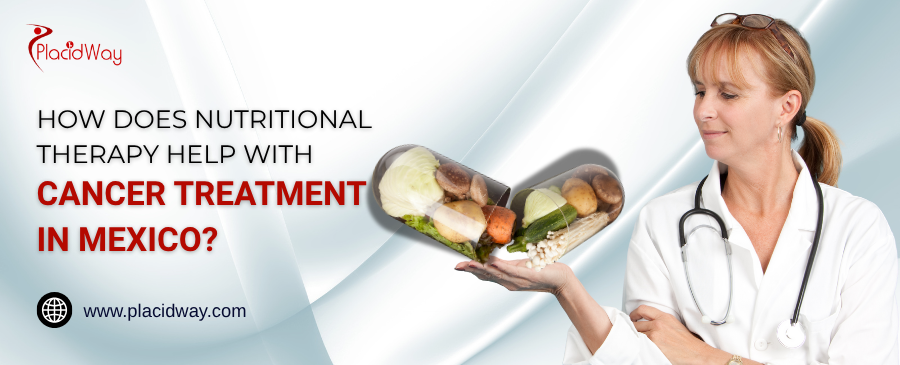
Nutritional therapy significantly aids cancer treatment in Mexico by optimizing patient diets and nutrient intake to bolster the immune system, manage conventional treatment side effects, and create an internal environment less hospitable to cancer growth. Many clinics embrace this integrative approach, recognizing that a well-nourished body is crucial for effective treatment and recovery, with over 1.1 million patients served globally since 2007 through such comprehensive care philosophies.
When individuals face a cancer diagnosis, they frequently explore comprehensive and integrative treatment approaches that extend beyond standard conventional methods. Mexico has emerged as a leading destination for such diverse therapies, with nutritional therapy playing a foundational role in many specialized cancer clinics.
This patient-centered approach acknowledges that proper nutrition is essential for the body’s inherent capacity to fight disease and recover from intensive treatments. By meticulously addressing the specific nutritional needs of cancer patients, these clinics aim to improve overall well-being, enhance treatment outcomes, and help individuals regain a vital sense of control over their health journey.
This article will explore the various ways nutritional therapy helps with cancer treatment in Mexico, answering common questions and providing detailed insights into this critical component of integrative care. As a medical tourism facilitator, PlacidWay connects patients with these reputable clinics, empowering informed decisions.
Key Benefits of Nutritional Therapy in Cancer Treatment
- Enhanced Immune Support: Provides vital micronutrients and promotes a healthy gut, strengthening the body’s natural defenses against cancer and infection.
- Effective Side Effect Management: Alleviates common issues like nausea, fatigue, and appetite loss, significantly improving quality of life during chemotherapy and radiation.
- Promotes Detoxification: Supports the body’s natural pathways to reduce toxic burden from environmental pollutants and treatment byproducts.
- Personalized Dietary Plans: Tailors food and supplement regimens to the patient’s specific cancer type, health status, and ongoing treatments for optimal efficacy.
- Aids in Recurrence Prevention: Fosters a long-term internal environment that is less conducive to cancer growth through sustained healthy eating and lifestyle adjustments.
Understanding Nutritional Therapy for Cancer
Nutritional therapy for cancer involves a personalized dietary and supplement plan designed to provide optimal nourishment, reduce inflammation, support detoxification, and strengthen the immune system, often complementing conventional cancer treatments.
This approach extends beyond general healthy eating by considering a patient’s specific cancer type, disease stage, current health, and ongoing conventional treatments. The primary goal is to supply the body with the essential components it needs for repair and regeneration, while minimizing factors like inflammation or toxicity that might promote cancer growth.
It often incorporates whole, organic foods, specialized dietary protocols—such as plant-based or ketogenic diets, depending on individual needs—and targeted nutritional supplements. These interventions address deficiencies and support specific therapeutic objectives, aiming to establish an internal environment that actively fosters healing and reduces cancer cell viability.
Evidence-Based Support and Essential Considerations
Evidence & Outcomes: Integrative cancer centers in Mexico emphasize nutritional therapy due to its recognized role in optimizing the body’s internal environment and immune function, which is crucial for effective cancer treatment and recovery. Nutritional plans, rich in specific vitamins (like high-dose Vitamin C and D), minerals, and antioxidants, are shown to support immune cell function and promote a healthy gut microbiome, thereby enhancing the body’s ability to tolerate and respond to conventional therapies. This holistic approach is believed to yield better patient outcomes and quality of life.
Risks & Contraindications: While generally beneficial, nutritional therapy in Mexico requires careful professional guidance. Potential risks include interactions between certain supplements and conventional treatments, which could reduce efficacy or increase toxicity. Unsupervised use of high-dose nutrients or restrictive diets might lead to dangerous nutrient imbalances or deficiencies. Patients should always discuss their nutritional plans with their entire healthcare team to ensure a safe, coordinated approach. Seek immediate care if you experience severe allergic reactions, worsening symptoms, or unexpected side effects from any new dietary or supplement regimen.
Did You Know?
Did you know that Mexico is home to some of the world’s most advanced medical facilities, where patients often save significant amounts on Cancer Treatment while receiving care that meets or exceeds international hospital standards?
Cost Comparison for Nutritional Therapy in Cancer Treatment
Mexican cancer clinics often provide comprehensive nutritional therapy programs at a fraction of the cost found in many Western countries. This affordability is a significant draw for patients seeking integrative care without compromising on quality.
While specific costs vary based on the intensity and duration of the program, including specialized supplements and IV therapies, the overall expenditure remains considerably lower. Patients can typically access personalized dietary plans and high-quality nutritional support for a more accessible investment.
Cost Breakdown
Major Savings
| Country |
Estimated Cost |
Average Savings |
| Mexico |
$15,000 |
Starting Point Best Value |
| United States |
$40,000 |
62.5% Savings |
| United Kingdom |
$35,000 |
57.1% Savings |
| Canada / Australia |
$30,000 |
50.0% Savings |
Essential Facts & Pro-Tips
1
Fast Fact: Reputable clinics in Mexico work with trusted suppliers for nutritional supplements, ensuring quality and purity in their therapeutic offerings.
2
Travel Tip: Thoroughly research and choose reputable clinics with qualified medical staff and transparent practices to ensure safe and effective care for nutritional therapy in Mexico.
3
Recovery Tip: Adopting a comprehensive nutritional therapy approach can significantly contribute to preventing cancer recurrence by maintaining a healthy immune system and optimizing cellular health long-term.
Your Nutritional Therapy Journey in Mexico
The nutritional therapy journey in Mexico is meticulously designed to support your body throughout cancer treatment and recovery. Clinics prioritize efficiency and personalized care, ensuring that every step is tailored to your unique needs.
Day 01
Comprehensive Nutritional Assessment
Your journey begins with a detailed evaluation by a specialized nutritionist or medical team, including dietary history, current health status, and lab tests, along with your specific cancer diagnosis.
Day 02 — 03
Initial Therapy Implementation & Education
You’ll start your personalized diet and supplement plan, along with education on food choices, meal timings, and hydration. This phase often includes the first IV nutritional therapies if recommended.
Day 04 — 05
Monitoring & Adjustment
Follow-up consultations ensure the plan is effective and well-tolerated. Adjustments are made based on your body’s response, supporting seamless integration with other treatments.
Frequently Asked Questions About Nutritional Therapy for Cancer in Mexico
1. Are there any risks or considerations with nutritional therapy in Mexico?+
While generally beneficial, potential risks or considerations with nutritional therapy include interactions with conventional treatments. There is also a potential for nutrient imbalances if not professionally guided. It is crucial to choose a reputable clinic and discuss your plans thoroughly with your entire healthcare team. Self-prescribing high doses of certain nutrients or following restrictive diets without expert guidance can lead to deficiencies or other harmful outcomes.
2. What is Nutritional Therapy in the Context of Cancer?+
Nutritional therapy for cancer involves a personalized dietary and supplement plan. It is designed to provide optimal nourishment, reduce inflammation, support detoxification, and strengthen the immune system, often complementing conventional cancer treatments. This individualized approach considers the patient’s specific cancer type, stage, and ongoing therapies, aiming to create an internal environment that supports healing.
3. Why is Nutritional Therapy Emphasized in Mexican Cancer Clinics?+
Mexican cancer clinics often emphasize nutritional therapy as part of an integrative approach. They believe that optimizing the body’s internal environment and immune function is crucial for effective cancer treatment and recovery. This holistic perspective views cancer as a systemic imbalance, with nutrition providing a foundational means to bolster the body’s healing capabilities and tolerance to rigorous treatments.
4. How Does Nutritional Therapy Support the Immune System in Cancer Patients?+
Nutritional therapy supports the immune system in cancer patients by providing essential vitamins, minerals, and antioxidants that are critical for immune cell function. It also promotes a healthy gut microbiome through probiotic-rich foods and fibers, enhancing immune surveillance and modulating inflammatory responses. This comprehensive approach helps the body rebuild its defenses against cancer cells.
5. Can Nutritional Therapy Help Manage Side Effects of Conventional Cancer Treatments?+
Yes, nutritional therapy can significantly help manage common side effects of conventional cancer treatments like chemotherapy and radiation. These include nausea, fatigue, loss of appetite, and digestive issues. Specific dietary adjustments, ginger, small frequent meals, and sometimes IV nutrient infusions are employed to alleviate these symptoms. By doing so, patients can better maintain strength and quality of life.
6. What Kinds of Foods are Recommended in Cancer Nutritional Therapy?+
Cancer nutritional therapy typically recommends an organic, whole-food, plant-based diet. This diet is rich in fruits, vegetables, whole grains, and healthy fats, while often limiting processed foods, refined sugars, and unhealthy fats. Emphasis is placed on organic produce, lean proteins, and fermented foods to provide maximum nutrients and minimize toxic exposure. Foods like avocados, nuts, seeds, and olive oil are highlighted for their healthy fats.
7. Are There Specific Nutritional Supplements Used in Cancer Treatment in Mexico?+
Yes, many Mexican cancer clinics utilize specific nutritional supplements, including high-dose vitamins (e.g., Vitamin C, Vitamin D), minerals (e.g., selenium, zinc), enzymes, and herbal extracts. These are tailored to the patient’s individual needs and cancer type based on comprehensive assessments. The aim is to create a powerful synergistic effect with other treatments, enhancing efficacy and minimizing adverse effects.
8. How is a Nutritional Plan Developed for a Cancer Patient in Mexico?+
A nutritional plan for a cancer patient in Mexico is typically developed through a comprehensive assessment by a specialized nutritionist or medical team. This includes a detailed dietary history, current health status, lab tests, and the patient’s specific cancer diagnosis. Based on this data, a tailored plan is crafted, often adjusting dynamically as the patient’s condition evolves throughout their treatment journey.
Ready to Take the Next Step Towards Recovery?
Choosing the right destination for your medical care is significant. By opting for treatment abroad, you are not just saving on costs—you are gaining access to specialized clinicians and world-class care.
Get Your Free Quote Now
Medical Disclaimer: This article is for informational and educational purposes only and is not intended to be medical advice, diagnosis, or treatment. PlacidWay acts as a medical tourism facilitator, connecting patients with healthcare providers, but is not a direct provider of medical services. Always consult a qualified physician or healthcare professional before making any decisions related to your health or starting any new treatment plan. Individual outcomes vary, and results are not guaranteed. Seek immediate professional care if you experience severe or worsening symptoms.