
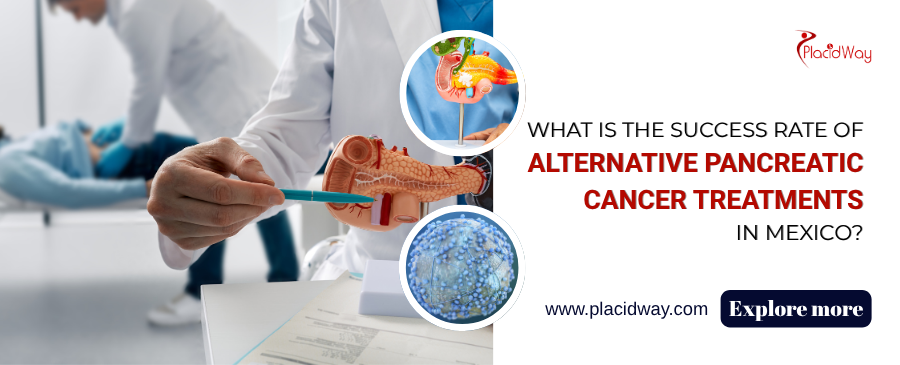
What is the Actual Success Rate of Alternative Pancreatic Cancer Treatments in Mexico?

What is the Actual Success Rate of Alternative Pancreatic Cancer Treatments in Mexico?

What is the success rate of alternative pancreatic cancer treatments in Mexico?

There is generally no scientifically validated data to support high success rates for alternative pancreatic cancer treatments in Mexico. While many clinics claim rates as high as 80% or more, these assertions are largely anecdotal and not backed by independent, peer-reviewed scientific studies. Patients must approach claims about the success rate of alternative pancreatic cancer treatments in Mexico with caution.

A pancreatic cancer diagnosis can be devastating, prompting many to seek hope beyond conventional medical paths. Mexico has emerged as a key destination for individuals exploring alternative therapies. These clinics often promote high success rates, which can be very appealing to patients and their families.

However, it is crucial to examine these claims critically, as the reported effectiveness of such treatments often lacks support from credible scientific evidence. This article aims to provide a comprehensive and honest overview of the landscape surrounding what is the success rate of alternative pancreatic cancer treatments in Mexico.

We will delve into the various treatments offered, evaluate purported success rates, discuss the regulatory environment, and highlight potential risks. It’s important to remember that PlacidWay is a medical tourism facilitator, connecting patients with providers worldwide; we are not a medical provider ourselves. Our goal is to empower you with information for informed health decisions.

Key Takeaways for Evaluating Alternative Pancreatic Cancer Treatments

  • Unsubstantiated Claims: Many alternative clinics in Mexico promote high success rates, often exceeding 80%, but these claims lack robust, independent scientific validation. They are primarily based on anecdotal evidence.
  • Regulatory Differences: Mexico’s medical treatment regulations can be less stringent than those in countries like the United States. This allows clinics to offer therapies not approved elsewhere, leading to varying quality and oversight.
  • Significant Risks Involved: Pursuing unproven alternative treatments carries substantial risks. These include receiving ineffective or harmful therapies, incurring considerable financial costs, and potentially delaying or forgoing proven conventional treatments.
  • Patient Motivations: Patients often turn to Mexico for alternative cancer treatments out of hope when conventional options have failed. They may also seek more ‘natural’ or less toxic approaches, or the appeal of perceived personalized care.
  • Importance of Due Diligence: Thoroughly evaluating any alternative clinic is paramount. This involves seeking evidence from peer-reviewed scientific studies, being cautious of “cure” promises, and consulting with qualified oncologists for second opinions.

What are Alternative Pancreatic Cancer Treatments?

Alternative pancreatic cancer treatments encompass a range of therapies and substances that are not considered part of standard, evidence-based conventional medical care. These differ from treatments like chemotherapy, radiation therapy, and surgery, which undergo rigorous scientific validation.

Clinics in Mexico offer a diverse array of these approaches. They often include metabolic therapies, experimental forms of immunotherapy, and hyperthermia. Other common offerings are Laetrile (also known as Amygdalin or Vitamin B17) and Insulin Potentiation Therapy (IPT).

Metabolic therapies, such as the Gerson therapy, typically involve strict organic, plant-based diets, raw juices, coffee enemas, and various supplements aimed at detoxification and natural healing. Experimental immunotherapy seeks to stimulate the body’s own immune system to target cancer cells, often differing significantly from approved immunotherapies.

Hyperthermia involves heating body tissues to high temperatures, theoretically to damage cancer cells or make them more vulnerable to other treatments. Laetrile, derived from apricot pits, has long been promoted as an anti-cancer agent despite a persistent lack of scientific evidence supporting its efficacy.

Insulin Potentiation Therapy combines insulin administration with lower doses of chemotherapy, based on the theory that cancer cells have more insulin receptors, thus potentially absorbing chemotherapy more efficiently and reducing side effects. It’s important to understand that these alternative therapies are typically used *instead* of conventional treatments, not as complementary additions.

Evaluating Evidence & Risks of Alternative Pancreatic Cancer Treatments in Mexico

Evidence & Outcomes: There is a significant lack of credible, peer-reviewed scientific evidence to support the high success rates claimed by alternative pancreatic cancer treatment clinics in Mexico. While some alternative therapies show preliminary promise in lab or animal studies, these findings typically haven’t translated into large-scale human clinical trials. Organizations like the American Cancer Society and the National Cancer Institute have consistently stated that therapies like Laetrile or Gerson Therapy lack scientific proof of effectiveness against cancer. Individual results vary widely.

Risks & Contraindications: The primary risks include receiving ineffective or even harmful treatments, delaying or forgoing proven conventional therapies, and facing substantial financial burdens. Some treatments, like coffee enemas in Gerson therapy, can lead to serious side effects such as electrolyte imbalances and infections. Seek immediate medical attention if you experience unexpected severe pain, persistent fever, unusual bleeding, or sudden changes in your condition. Always consult a qualified oncologist to discuss all treatment options and ensure any complementary therapies are safe and won’t interfere with your conventional care.

Did You Know?

Did you know that Mexico’s regulatory environment is often less stringent than in countries like the United States, allowing clinics to offer a broader range of therapies that may not have undergone the same rigorous approval processes as in other nations? This regulatory difference is a key factor in why many alternative cancer treatment centers operate there.

Comparing Costs: Alternative Pancreatic Cancer Treatment in Mexico

One of the primary drivers for patients seeking alternative pancreatic cancer treatments in Mexico is the significant cost advantage compared to conventional therapies in Western countries. These treatments, often considered experimental or unapproved elsewhere, are rarely covered by insurance, making the lower out-of-pocket expenses in Mexico appealing.

However, it’s vital to weigh these potential savings against the lack of scientific validation and the inherent risks associated with unproven treatments. While the initial costs may be lower, the long-term financial and health consequences of ineffective care can be far greater. Always ensure transparency regarding all costs involved, including treatment, accommodation, and follow-up care.

Cost Breakdown

Major Savings

Country Estimated Cost Average Savings
Mexico $35,000 Starting Point Best Value
United States $180,000 79% Savings
United Kingdom $150,000 77% Savings
Canada / Australia $130,000 73% Savings

Essential Facts & Pro-Tips

1
Fast Fact: Mexico’s differing regulatory oversight permits clinics to offer therapies not approved by bodies like the FDA, making careful research essential for patients considering alternative treatments.
2
Travel Tip: Engage in an open and honest conversation with your primary oncologist about your intentions to explore alternative treatments abroad. Discuss how these therapies might impact your conventional care plan.
3
Recovery Tip: Prioritize establishing a clear follow-up care plan with your medical team back home before embarking on any treatment abroad, ensuring continuity of care and proper monitoring.

Your Journey: Alternative Pancreatic Cancer Treatment in Mexico

The patient journey for alternative pancreatic cancer treatment in Mexico typically involves several structured phases, though this can vary significantly between clinics. While specific protocols differ, a common pathway prioritizes initial assessment, active treatment, and a period of observation.

Efficiency is a hallmark of the medical experience in this destination. The process aims to minimize downtime while striving to ensure adherence to various health protocols. However, due to the experimental nature of many alternative therapies, patients should be prepared for potential adjustments and open dialogue with their chosen care team.

Day 01
Initial Consultation & Diagnostic Review
Arrival at the clinic, comprehensive review of existing medical records, and potentially additional diagnostic tests such as advanced lab work or imaging studies. This day establishes a baseline for your personalized treatment plan.
Day 02 — 07
Active Treatment Protocol
Initiation of chosen alternative therapies, which might include metabolic treatments, specific immunotherapies, or hyperthermia sessions. Daily monitoring and adjustments are common. This phase is intensive, focusing on administering the core treatment regimen.
Day 08 — 10
Monitoring & Discharge Planning
Concluding treatments, follow-up evaluations to assess immediate response, and detailed discussions about post-treatment care. Patients receive instructions for continuing care at home, often including dietary guidelines or supplemental regimens.

Frequently Asked Questions About Alternative Pancreatic Cancer Treatment in Mexico

1. What are Alternative Pancreatic Cancer Treatments?+

Alternative pancreatic cancer treatments refer to a variety of therapies and substances that are not part of standard, evidence-based conventional medical care for pancreatic cancer. These often differ from established treatments like chemotherapy, radiation therapy, and surgery.

These approaches are typically presented as “natural” or “holistic” options and usually lack the rigorous scientific validation required for approval by mainstream medical bodies. Patients seeking these treatments often do so in search of options beyond conventional oncology.

2. What Types of Alternative Pancreatic Cancer Treatments are Offered in Mexico?+

Clinics in Mexico offer a diverse range of alternative pancreatic cancer treatments. These frequently include metabolic therapies such as the Gerson therapy, which involves specific diets and detoxification protocols.

Various forms of immunotherapy, often experimental and distinct from those approved in other countries, are also common. Other approaches include hyperthermia, Laetrile (Amygdalin or Vitamin B17), and Insulin Potentiation Therapy (IPT), each with its unique theoretical basis and methodology.

3. What is the Claimed Success Rate of These Treatments?+

Many alternative cancer clinics in Mexico claim very high success rates for their treatments, sometimes reporting figures as high as 80% or even more. These claims are often heavily promoted through patient testimonials and anecdotal evidence, aiming to offer hope to those with challenging diagnoses.

However, it is crucial to recognize that these stated success rates are not supported by independent, peer-reviewed scientific studies or clinical trials, which are the standard for validating medical treatment efficacy.

4. Is There Scientific Evidence to Support These Claims?+

There is a significant lack of credible, peer-reviewed scientific evidence to support the high success rates claimed by alternative pancreatic cancer treatment clinics in Mexico. While preliminary laboratory or animal studies may exist for certain components, these findings have generally not been replicated in large-scale human clinical trials.

For many of the specific treatments offered, there is no plausible scientific mechanism recognized by mainstream medicine by which they would be effective against pancreatic cancer. Major medical institutions consistently advise caution regarding such unproven therapies.

5. Are Alternative Pancreatic Cancer Treatments in Mexico Regulated?+

The regulation of medical treatments in Mexico is distinctly different and often less stringent than in countries such as the United States. This regulatory environment allows clinics to offer therapies that have not been approved by robust regulatory bodies like the FDA.

Consequently, the oversight for alternative medicine clinics can be inconsistent, leading to significant variability in the quality of care, the expertise of practitioners, and the overall safety and efficacy of the treatments provided. Patients should be aware of these differences before seeking treatment.

6. What are the Risks of Seeking Alternative Pancreatic Cancer Treatment in Mexico?+

The primary risks of seeking alternative pancreatic cancer treatment in Mexico are multifaceted. They include the potential for receiving treatments that are ineffective, or, in some cases, actively harmful to one’s health.

Furthermore, choosing alternative therapies may lead to delaying or forgoing proven conventional treatments, which can significantly worsen a patient’s prognosis. Patients also face substantial financial costs, as these treatments are rarely covered by insurance, and a lack of consistent regulatory oversight can expose them to substandard care.

7. Why Do People Choose to Go to Mexico for Alternative Cancer Treatment?+

Patients often choose to go to Mexico for alternative cancer treatment due to a complex mix of hope and desperation. Many seek these options when conventional treatments have failed, or when they have been given a grim prognosis.

Other motivations include a desire for more ‘natural’ or less toxic treatment options, as well as the perception of receiving more personalized and compassionate care in these clinics. The promise of a potential cure, even if unsubstantiated by scientific evidence, can be a powerful driving force.

8. How Can I Evaluate the Claims of an Alternative Cancer Clinic?+

To thoroughly evaluate the claims of an alternative cancer clinic, you should look for evidence from peer-reviewed scientific studies. Be extremely wary of any clinic that promises a “cure,” as reputable medical professionals never guarantee such outcomes for cancer.

It is also essential to investigate the credentials and affiliations of the medical staff. Always seek second opinions from qualified oncologists who are experienced in treating pancreatic cancer. Be cautious of clinics that rely solely on testimonials, offer secret formulas, criticize the medical establishment, or employ high-pressure sales tactics.

Ready to Take the Next Step Towards Recovery?

Choosing the right destination for your medical care is significant. By opting for treatment abroad, you are not just saving on costs—you are gaining access to specialized clinicians and world-class care.

Get Your Free Quote Now

Related Resources

Medical Disclaimer: This article is intended for informational and educational purposes only and should not be considered as medical advice, diagnosis, or a recommendation for specific treatments. PlacidWay is a medical tourism facilitator, connecting patients with healthcare providers globally; we do not provide medical services directly. Before making any health-related decisions, it is crucial to consult with a qualified and licensed physician or healthcare professional. Outcomes for any medical procedure, including alternative cancer treatments, are not guaranteed, and individual results can vary significantly based on numerous factors. If you experience severe or worsening symptoms, please seek immediate professional medical care.

Related Articles

How Much Does Alternative Cancer Treatment Cost in Mexico?

Explore alternative cancer treatment costs in Mexico, including immunotherapy, Gerson, and more. Discover affordable care options and what to expect for effective treatment.

How Can You Get Alternative Cancer Treatment in Mexico?

Explore how to get alternative cancer treatment in Mexico, covering reputable clinics, diverse therapies, costs, and safe travel. Find integrative options and holistic care.

How Much Does Hyperthermia Cancer Treatment Cost in Mexico?

Discover the cost of hyperthermia cancer treatment in Mexico, typically $5,000-$15,000. Learn about benefits, types, safety, and how to access this integrative therapy.

How Much Does Bone Marrow Transplant Cost in Turkey?

Explore bone marrow transplant costs in Turkey, ranging from $30,000-$60,000. Learn factors, inclusions, and discover top-tier care options.

Request Free Quote

Ready to take control of your health?

Our top-notch cancer treatment center is here for you with the latest therapies and a caring team of experts. Let’s start this journey together. Contact us today and schedule your consultation. We’re here to help you every step of the way.