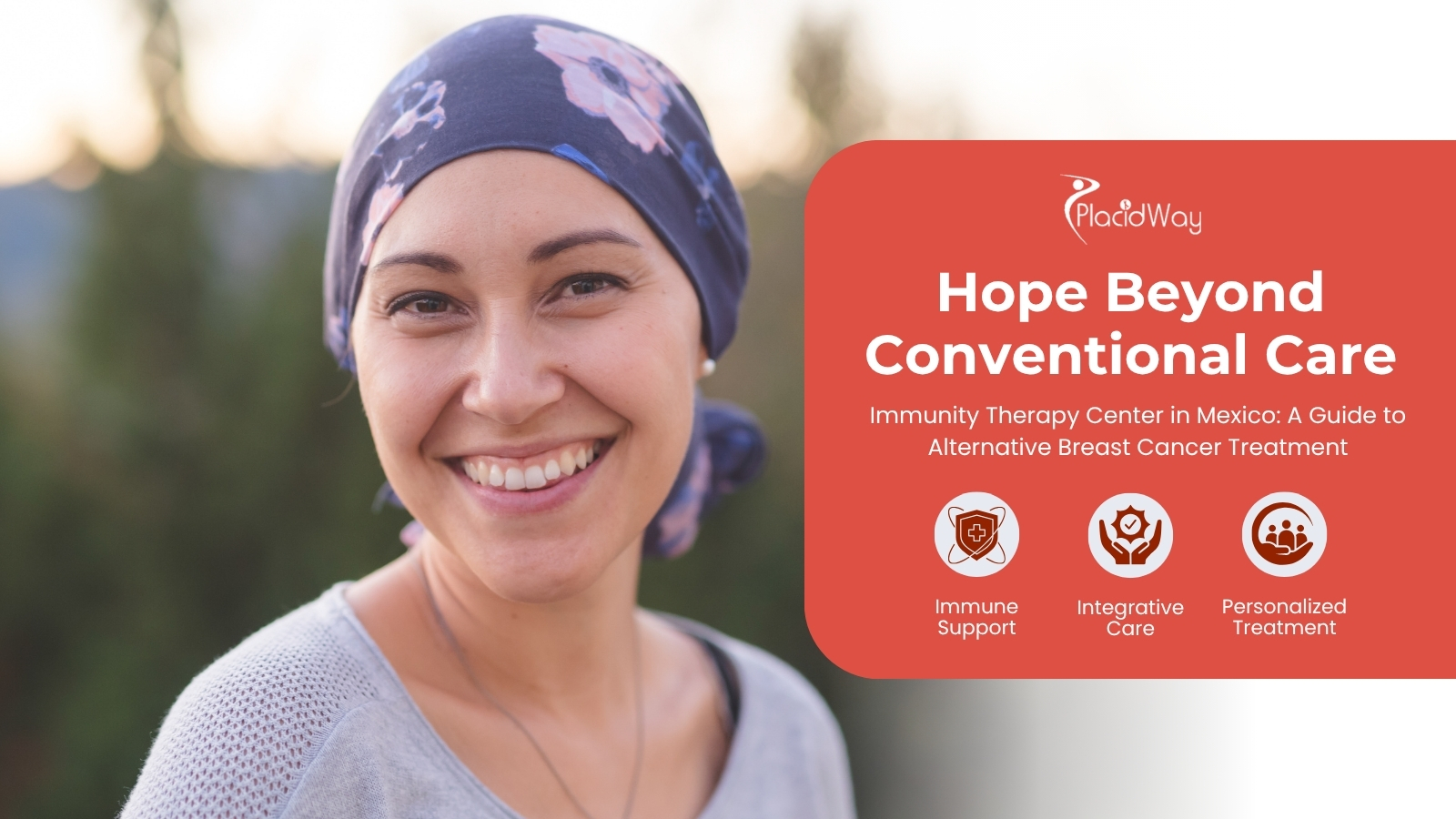

Driven by the urgent need for innovative oncology solutions, an increasing number of American women diagnosed with triple-negative breast cancer are crossing the border to access personalized dendritic cell vaccines in Tijuana, Mexico.
This growing movement underscores a significant shift in how patients approach life-threatening diagnoses in the modern medical era. According to an Official News Source, the combination of geographic proximity and access to cutting-edge immunotherapies has positioned Tijuana as a premier destination for those seeking alternatives or additions to standard oncology protocols. Patients are no longer willing to wait for lengthy clinical trial approvals in their home country when viable, science-backed treatments are available just a short drive away.
Table of Contents
The Urgent Need for Innovative TNBC Treatments
Triple-negative breast cancer represents one of the most aggressive and challenging forms of the disease. Unlike other types of breast cancer, TNBC lacks three critical receptors: estrogen, progesterone, and human epidermal growth factor receptor 2. Because these receptors are absent, the tumor does not respond to traditional hormonal therapies or targeted medications that have proven highly successful in other breast cancer variants. Consequently, oncologists and patients have historically been left with a limited arsenal, primarily relying on harsh, systemic chemotherapy, radiation, and surgical intervention.
The aggressive nature of TNBC means that it typically grows faster, is more likely to have spread by the time it is found, and has a higher chance of recurrence after treatment than other types of breast cancer. The systemic toxicity of conventional chemotherapy takes a massive toll on the human body, often compromising the immune system when the patient needs it most. This profound limitation in standard care has catalyzed an urgent search for therapeutic alternatives that can specifically target cancer cells without destroying healthy tissue, leading researchers and patients alike to the promising frontier of immunotherapy.
Understanding Personalized Dendritic Cell Vaccines
Immunotherapy has revolutionized oncology by leveraging the bodys own defense mechanisms to fight disease, and dendritic cell vaccines are at the forefront of this biological revolution. Dendritic cells are a type of white blood cell that acts as the immune systems intelligence gathering unit. Their primary function is to process antigen material from foreign bodies, such as viruses or cancer cells, and present it on the cell surface to the T-cells. This presentation effectively hands the T-cells a biological mugshot, instructing them to hunt down and destroy cells bearing that specific antigen.
Creating a personalized dendritic cell vaccine is an autologous process, meaning the treatment is manufactured from the patients own biological material. Medical professionals extract blood from the patient, isolate the monocytes, and culture them in a state-of-the-art laboratory to develop into mature dendritic cells. These cells are then exposed to tumor-specific antigens derived from the patients unique cancer profile. Once fully trained and loaded with this vital targeting information, the enhanced dendritic cells are injected back into the patient. This process supercharges the immune system, specifically training it to recognize, attack, and eradicate the triple-negative breast cancer cells while leaving healthy cells entirely unharmed.
Why Tijuana is Becoming a Medical Hub for Oncology
Tijuana, Mexico, has rapidly transformed into a globally recognized epicenter for advanced medical tourism, particularly in the field of integrative and progressive oncology. Situated immediately across the international border from San Diego, California, the city offers unparalleled accessibility for American patients. However, geography is only part of the equation. The regulatory environment in Mexico allows for the ethical, safe, and expedited application of advanced cellular therapies that are often mired in decade-long clinical trial phases in the United States.
Top-tier medical facilities in Tijuana operate under rigorous international safety protocols, frequently boasting accreditations and partnerships with global health organizations. These specialized oncology centers employ highly credentialed, bilingual medical professionals who have trained globally. By offering treatments like the dendritic cell vaccine in conjunction with standard care, Tijuana provides a sanctuary of hope for women who have exhausted their options in the conventional American healthcare system.
Did You Know?
The concept of using the immune system to fight cancer dates back to the late 19th century, but it wasn’t until the discovery of dendritic cells in 1973 by Ralph Steinman that targeted cellular vaccines became a theoretical possibility. Steinman later used his own dendritic cell therapy to extend his life after a pancreatic cancer diagnosis, eventually winning the Nobel Prize for his groundbreaking discovery.
The Financial Aspect: Cost of Cancer Care
The economic burden of cancer care in the United States is staggering. Even for patients with premium health insurance, out-of-pocket maximums, high deductibles, and co-pays for specialized oncology drugs can decimate life savings. Furthermore, because personalized dendritic cell vaccines are often classified as experimental or investigational by American insurance carriers, they are rarely covered, leaving patients to face astronomical out-of-pocket costs that run into the hundreds of thousands of dollars.
In contrast, the medical infrastructure in Mexico allows for highly competitive pricing without compromising the quality of care or the sophistication of the laboratory technology. Lower administrative overhead, reduced litigation costs, and streamlined healthcare delivery systems mean that specialized clinics in Tijuana can offer advanced immunotherapies at a fraction of the cost. The table below illustrates the stark contrast in the patient experience regarding treatment financing and accessibility.
| Care Metric | United States Experience | Tijuana, Mexico Experience |
|---|---|---|
| Immunotherapy Access | Restricted mostly to clinical trials | Direct patient access upon medical qualification |
| Treatment Cost | Extremely high; often not covered by insurance | Significantly lower; bundled inclusive packages |
| Wait Times | Months to years for trial enrollment | Immediate scheduling post-consultation |
| Care Approach | Highly compartmentalized | Integrative and holistic focus |
The Patient Journey: From Diagnosis to Cross-Border Treatment
Navigating a complex cancer diagnosis is overwhelming, and deciding to travel internationally for care adds a layer of logistical planning. Fortunately, the medical tourism infrastructure in Tijuana is designed specifically to accommodate international patients, ensuring a seamless, stress-free experience. Facilitators like PlacidWay play a vital role in connecting patients with accredited facilities and coordinating the entirety of the medical journey.
The journey typically follows a structured, supportive pathway designed to prioritize patient health and comfort:
- Virtual Medical Consultation: Before traveling, patients submit their medical records, biopsy reports, and imaging for review by a board-certified oncology team in Mexico to determine candidacy.
- Customized Treatment Planning: The medical team develops a bespoke treatment protocol integrating the dendritic cell vaccine with other supportive therapies.
- Concierge Travel Logistics: Medical tourism coordinators manage transportation, often including a shuttle directly from the San Diego airport across the border to the clinic.
- Cell Harvesting and Culturing: Upon arrival, a simple blood draw is performed to extract the necessary immune cells, which are then processed in a highly regulated laboratory.
- Vaccine Administration: After a specific incubation and training period, the personalized dendritic cell vaccine is administered to the patient through subcutaneous injections or intravenous infusions.
- Ongoing Monitoring and Follow-Up: Patients receive detailed aftercare instructions and maintain remote contact with their Mexican oncology team to track progress and immune response.
Comprehensive Care and Holistic Approaches
One of the most compelling reasons American women with TNBC are drawn to Tijuana is the philosophy of comprehensive, integrative care. Western medicine often treats the tumor in isolation, bombarding it with chemicals while neglecting the overall physiological state of the patient. In contrast, specialized oncology centers in Mexico adopt a holistic methodology. They recognize that a robust immune system requires a body that is nourished, detoxified, and emotionally supported.
Alongside the administration of personalized dendritic cell vaccines, patients often receive a suite of complementary therapies. These can include high-dose Vitamin C infusions to create an oxidative environment hostile to cancer cells, localized hyperthermia to make tumors more susceptible to immune attack, and specialized nutritional counseling designed to eliminate inflammatory foods. This multi-pronged approach ensures that the body is optimized to support the newly enhanced dendritic cells, giving the immunotherapy the highest possible chance of success.
Did You Know?
Triple-negative breast cancer disproportionately affects younger women and women of African American or Hispanic descent. Because it cannot be treated with hormone therapies, advances in tailored immunotherapies like dendritic cell vaccines represent the most critical breakthrough in addressing healthcare disparities in oncology over the last decade.
The Science of Personalization in Modern Oncology
The era of a one-size-fits-all approach to cancer treatment is rapidly drawing to a close. Modern oncology is leaning heavily into the science of personalization, recognizing that a tumor in one patient is biologically distinct from a tumor of the exact same classification in another. The genetic mutations, the microenvironment of the cancer, and the patient’s inherent immune profile all dictate how a disease will behave and respond to intervention.
Dendritic cell vaccines are the epitome of this personalized science. By utilizing autologous materials, the treatment completely bypasses the risks of rejection or severe allergic reactions associated with synthetic or donor-derived therapies. The vaccine is literally engineered from the patients own life force. When applied to a complex disease like TNBC, this degree of personalization means the immune system is not just blindly firing at rapidly dividing cells—as is the case with traditional chemotherapy—but is instead launching a highly coordinated, sniper-like assault on the exact molecular signature of the cancer.
Looking Ahead: The Future of Advanced Immunotherapy
As the clinical data surrounding dendritic cell vaccines continues to yield promising outcomes, the paradigm of cancer care will inevitably shift. American women traveling to Tijuana for triple-negative breast cancer treatments are pioneers, proving that geographical borders should not dictate survivability. This medical migration is applying immense pressure on the global healthcare sector to reevaluate how experimental treatments are vetted, priced, and delivered to the public.
“The increasing number of American women traveling to Tijuana for personalized dendritic cell vaccines highlights a critical evolution in medical tourism. Patients are transforming into empowered health consumers who refuse to let borders restrict their access to life-saving, personalized oncology. This trend underscores an urgent global demand for healthcare systems to prioritize innovation, accessibility, and precision medicine over bureaucratic delays.”
— Pramod Goel, CEO of PlacidWay
Ultimately, the combination of advanced biotechnology and accessible cross-border medical infrastructure is offering a renewed sense of hope. For women facing the daunting reality of a TNBC diagnosis, Tijuana has evolved from a simple border town into a beacon of scientific advancement. Through facilitators like PlacidWay, patients can navigate this landscape with confidence, securing therapies designed not just to prolong life, but to restore health and vitality on a cellular level.
Ready to Explore Personalized Cancer Care?
Take control of your health journey today. Discover how advanced immunotherapy and personalized dendritic cell vaccines in Tijuana can offer new hope for triple-negative breast cancer.