
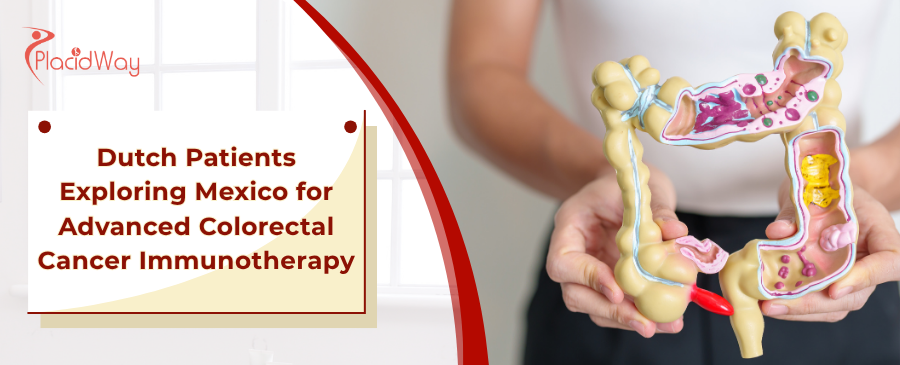
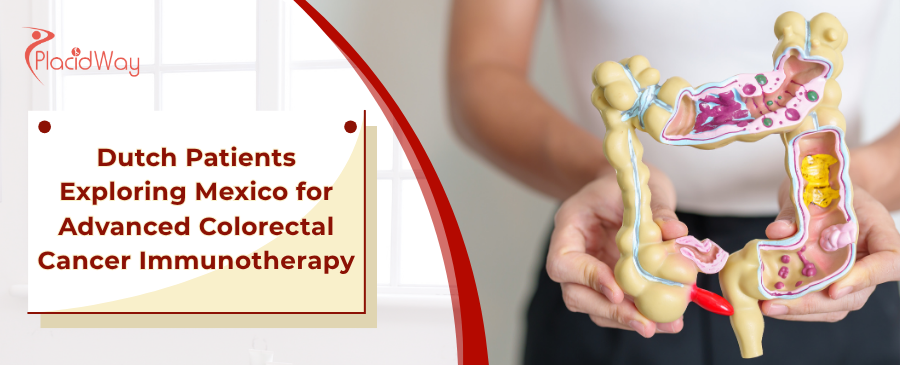
Dutch patients are increasingly traveling to Mexico for advanced colorectal cancer immunotherapy. This decision is primarily driven by significant cost savings, with potential reductions of 50-70% compared to treatments in the Netherlands and other Western countries. Additionally, Mexico offers access to innovative therapies and shorter waiting times.
For many individuals diagnosed with advanced colorectal cancer in the Netherlands, the search for effective, timely, and affordable treatment can be a challenging journey. Facing rising healthcare costs and often extended waiting lists for innovative therapies at home, a growing number of patients are turning their gaze southward. Mexico has emerged as a promising destination, offering cutting-edge medical advancements in oncology.
Specifically, Dutch Patients Exploring Mexico for Advanced Colorectal Cancer Immunotherapy highlights a viable pathway to renewed hope. This article delves into why Mexico has become a beacon of hope, providing comprehensive insights into the treatments, costs, and logistical considerations for Dutch patients seeking world-class cancer care abroad. We aim to equip patients and their families with essential information for making informed decisions about medical tourism for life-saving treatments.
Table of Contents
What Key Advantages Does Mexico Offer for Colorectal Cancer Immunotherapy?
- Significant Cost Savings: Dutch patients can realize substantial savings, often 50-70%, on immunotherapy treatments compared to costs in the Netherlands.
- Access to Innovative Therapies: Mexican clinics provide advanced immunotherapy options, including checkpoint inhibitors and personalized cancer vaccines, often with quicker availability than in Europe.
- Reduced Waiting Times: Patients can typically begin their immunotherapy regimen much faster in Mexico, which is crucial for aggressive or advanced colorectal cancer cases.
- Highly Qualified Specialists: Many Mexican oncologists are internationally trained, often in the US or Europe, ensuring expert and knowledgeable care.
- Internationally Accredited Facilities: Leading cancer centers in Mexico adhere to high standards of care, comparable to top hospitals globally, especially in major cities.
How Does Immunotherapy Target and Treat Colorectal Cancer?
Colorectal cancer, which initiates in the colon or rectum, is recognized as one of the most common malignancies worldwide. While conventional treatments like surgery, chemotherapy, and radiation therapy can be effective, advanced or metastatic cases frequently demand more innovative therapeutic interventions.
Immunotherapy offers a significant breakthrough by empowering the body’s intrinsic immune system to recognize and effectively attack cancer cells. This advanced approach involves several mechanisms. Checkpoint inhibitors, such as Pembrolizumab (Keytruda) and Nivolumab (Opdivo), work by blocking proteins that cancer cells use to evade immune detection. By releasing these “brakes” on the immune system, these drugs allow T-cells to identify and destroy cancerous cells more aggressively. Another innovative therapy is personalized cancer vaccines, including dendritic cell therapy. This involves extracting a patient’s immune cells, “training” them in a laboratory to specifically recognize and target their unique cancer cells, and then reinfusing them back into the body. This process aims to stimulate a robust and highly specific immune response against the tumor, offering a more tailored and effective treatment strategy for individual patients with colorectal cancer.
What Are the Clinical Outcomes and Potential Risks of This Treatment?
Evidence & Outcomes: Immunotherapy has demonstrated promising success rates for colorectal cancer patients, particularly those with specific tumor characteristics like high microsatellite instability (MSI-H) or mismatch repair deficiency (dMMR). The provided data indicates that response rates in Mexico are comparable to those observed in other developed countries. For patients with MSI-H or dMMR tumors, checkpoint inhibitors such as Pembrolizumab (Keytruda) and Nivolumab (Opdivo) have shown significant efficacy, leading to improved progression-free survival and overall survival in many cases. The availability of personalized cancer vaccines and combination therapies further enhances treatment possibilities, tailoring approaches to individual patient needs and potentially improving overall outcomes. It is crucial for patients to have realistic expectations and discuss potential outcomes thoroughly with their oncologists.
Risks & Contraindications: While offering immense hope, immunotherapy carries potential risks and side effects, distinct from traditional chemotherapy. These are often immune-related adverse events (irAEs), occurring when the activated immune system attacks healthy tissues. Common side effects can include fatigue, skin rashes, diarrhea, colitis, hepatitis, and thyroid disorders. Less common but severe irAEs can affect organs like the heart, lungs, and nervous system. Not all patients are candidates for immunotherapy; eligibility depends on tumor biomarkers, overall health, and prior treatments. Warning signs like persistent fever, severe rash, or unusual pain should prompt immediate medical attention. It is crucial to remember that individual responses vary greatly. Patients must engage in a detailed discussion with their oncologist to understand potential benefits, risks, and contraindications before starting treatment. No “cures” or “guarantees” can be made, and professional consultation is always recommended.
Did you know that Mexico is home to some of the world’s most advanced medical facilities, where patients often save significant amounts on colorectal cancer immunotherapy while receiving care that meets or exceeds international hospital standards?
What Are the Cost Savings for Immunotherapy in Mexico Compared to Other Countries?
For Dutch patients, the financial burden of advanced cancer treatments like immunotherapy in the Netherlands can be considerable, even with insurance coverage. Mexico presents a compelling economic advantage, with treatment costs significantly lower. The provided data highlights potential savings of 50-70% when receiving similar high-quality care. These savings are a major factor driving medical tourism to Mexico, making advanced, life-saving treatments more accessible to a wider patient demographic. It’s a testament to Mexico’s commitment to delivering affordable healthcare without compromising on medical excellence.
Essential Facts & Pro-Tips for Your Medical Journey
What Does a Colorectal Cancer Immunotherapy Journey in Mexico Involve?
The efficiency of receiving medical care in Mexico is a significant advantage. The streamlined process prioritizes timely access to treatment while maintaining rigorous safety standards. For Dutch patients, this translates into a meticulously planned journey, minimizing logistical stress and maximizing focus on recovery. A reputable medical tourism facilitator is key to ensuring every step is smooth and well-coordinated, from initial inquiry to post-treatment follow-up.