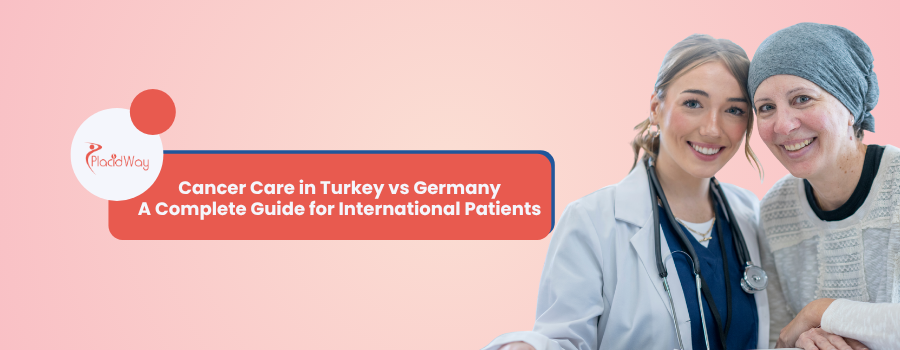
Making a decision about where to seek cancer treatment as an international patient is a significant and often overwhelming challenge. You’re not just looking for a cure; you’re seeking expertise, affordability, advanced technology, and compassionate care in a foreign land. When it comes to prominent destinations for medical tourism in oncology, Turkey and Germany frequently emerge as top contenders. Both countries have robust healthcare systems, highly skilled medical professionals, and a commitment to providing high-quality care, but they present different profiles regarding cost, accessibility, and cultural experience.
This comprehensive guide aims to simplify your decision-making process by offering a detailed comparison of cancer care in Turkey vs Germany. We’ll explore everything from the quality of treatment and technological advancements to the costs involved, patient support services, and travel logistics. Our goal is to provide you with clear, accurate information to help you understand which country might best align with your specific medical needs and personal preferences, ensuring you make an informed choice for your critical health journey.
Table of Contents
What are the main differences in quality of cancer care between Turkey and Germany?
When evaluating the quality of cancer care, both Turkey and Germany stand out, but with different nuances. Germany’s healthcare system is globally recognized for its rigorous standards, cutting-edge research, and highly specialized university hospitals. German clinics often pioneer new treatments and therapies, benefiting from substantial investment in medical science and technology. Patients can expect a very structured, evidence-based approach to treatment, often involving multidisciplinary teams.
Cancer care in Germany emphasizes precision medicine, extensive diagnostic capabilities, and a strong regulatory environment that ensures high safety and efficacy. Many German hospitals hold international accreditations and are equipped with the latest diagnostic and therapeutic technologies. The focus is often on highly personalized treatment plans tailored to the genetic profile of the patient’s cancer, especially in complex cases.
On the other hand, cancer care in Turkey has seen significant investment and development over the past two decades. Many Turkish hospitals are JCI (Joint Commission International) accredited, signifying adherence to international patient safety and quality standards. Turkish oncologists are often trained in Western countries and bring a wealth of expertise. While perhaps not as globally recognized for pioneering research as Germany, Turkey offers state-of-the-art facilities, modern equipment, and highly skilled medical staff capable of delivering advanced cancer treatments, often at a more accessible price point for international patients.
How do cancer treatment costs compare in Turkey versus Germany for international patients?
Cost is a crucial factor for many international patients seeking cancer care abroad. This is where the differences between Turkey and Germany become quite pronounced. Cancer treatment costs in Germany are among the highest in Europe, reflecting its strong economy, extensive public and private investment in healthcare infrastructure, and the high salaries of its medical professionals. For instance, a course of chemotherapy or a complex surgical procedure in Germany can cost tens of thousands, or even hundreds of thousands, of euros, depending on the complexity and duration.
In contrast, cancer treatment in Turkey is significantly more affordable, often ranging from 50% to 70% less than in Germany for similar procedures and quality of care. This cost-effectiveness extends to consultations, diagnostic tests, surgeries, chemotherapy, radiation therapy, and even post-treatment rehabilitation. The lower operational costs, combined with a favorable exchange rate for many international currencies, make Turkey a highly attractive destination for those seeking high-quality, yet budget-friendly, medical tourism for cancer.
Here’s a simplified comparison of potential cost ranges (note: these are estimates and can vary widely):
| Treatment Type | Estimated Cost in Turkey (USD) | Estimated Cost in Germany (USD) |
|---|---|---|
| Initial Consultation & Diagnostics | $500 – $2,000 | $1,500 – $5,000 |
| Chemotherapy Cycle (per cycle) | $1,000 – $5,000 | $3,000 – $15,000 |
| Radiation Therapy (e.g., IMRT/SBRT) | $8,000 – $25,000 | $25,000 – $70,000 |
| Complex Cancer Surgery | $15,000 – $60,000+ | $40,000 – $150,000+ |
These figures highlight Turkey’s significant cost advantage without necessarily compromising on the quality of medical equipment or expertise of the treating physicians.
What advanced cancer treatment technologies are available in Turkey?
Turkey has made substantial investments in modernizing its healthcare infrastructure, particularly in the field of oncology. As a result, many private hospitals and university medical centers are equipped with advanced cancer treatment technologies comparable to those found in Western Europe. International patients seeking cancer care in Turkey can expect access to:
- Robotic Surgery: Da Vinci robotic surgical systems are widely used for minimally invasive procedures in various cancers, including prostate, gynecological, colorectal, and head & neck cancers, offering greater precision and faster recovery.
- Advanced Radiation Therapy: This includes Intensity-Modulated Radiation Therapy (IMRT), Image-Guided Radiation Therapy (IGRT), Volumetric Modulated Arc Therapy (VMAT), and Stereotactic Body Radiation Therapy (SBRT), which precisely target tumors while sparing healthy tissue.
- Stereotactic Radiosurgery (SRS): Technologies like Gamma Knife and CyberKnife are available for non-invasive treatment of brain tumors and other complex lesions, delivering high-dose radiation with pinpoint accuracy.
- PET-CT Scans: Positron Emission Tomography-Computed Tomography is crucial for accurate cancer diagnosis, staging, and monitoring treatment response.
- Proton Therapy: While still limited globally, some leading centers in Turkey are offering or are in the process of implementing proton therapy, known for its ability to deliver highly conformal radiation doses with minimal exit dose, especially beneficial for pediatric cancers and tumors near critical structures.
- Immunotherapy and Targeted Therapies: Turkish oncology centers offer the latest pharmaceutical advancements, including a range of immunotherapies and targeted agents, following international guidelines.
These technologies ensure that patients receiving cancer care in Turkey have access to highly effective and less invasive treatment options, optimizing outcomes and quality of life.
What advanced cancer treatment technologies are available in Germany?
Germany’s reputation as a leader in medical innovation means its hospitals and research institutions are at the forefront of adopting and developing advanced cancer treatment technologies. Patients seeking cancer care in Germany can expect access to the most sophisticated options available worldwide:
- Proton and Heavy Ion Therapy: Germany boasts multiple state-of-the-art centers offering proton therapy and even more advanced heavy ion therapy (carbon ion therapy), which provides even greater precision for treating deep-seated or radiation-resistant tumors. These facilities are globally renowned.
- Robotic-Assisted Surgery: Widely available across numerous specialties, Germany’s use of robotic systems like Da Vinci extends to complex oncology surgeries, offering unparalleled precision.
- Intraoperative Radiation Therapy (IORT): This technique delivers a single, high dose of radiation directly to the tumor bed during surgery, reducing the need for lengthy post-operative radiation courses for certain cancers.
- Advanced Imaging and Diagnostics: Beyond standard PET-CT, Germany utilizes advanced MRI techniques, molecular imaging, and liquid biopsies for highly accurate diagnosis, staging, and monitoring of cancer.
- Personalized Medicine & Clinical Trials: Germany is a hub for oncology research, offering extensive access to innovative clinical trials for new drugs, immunotherapies, and targeted therapies. Genetic profiling and molecular diagnostics are standard practice to tailor treatments.
- Precision Radiation Oncology: This includes all forms of IMRT, IGRT, SBRT, and brachytherapy, often integrated with sophisticated planning systems to maximize therapeutic effect while minimizing side effects.
The continuous investment in research and development within Germany’s robust healthcare ecosystem ensures that patients receive treatments that are not only effective but also often incorporate the latest scientific breakthroughs in oncology.
Are oncologists in Turkey and Germany internationally recognized and qualified?
The expertise of the medical team is paramount in cancer care. Both Turkey and Germany attract and cultivate highly skilled oncology professionals. In Germany, oncologists undergo extensive and rigorous training, often involving years of specialized residency and fellowship programs in leading university hospitals. They are expected to stay abreast of the latest research and regularly participate in international conferences and publications. Many German oncologists are world-renowned experts in specific cancer types and contribute significantly to global oncology research and guidelines. Their qualifications are often internationally recognized, reflecting a high standard of medical education and practice.
Similarly, oncologists in Turkey are well-trained and many hold international certifications. It’s common for Turkish doctors, particularly those in prominent private hospitals catering to international patients, to have received part of their medical education or specialized training in Western Europe or the United States. This exposure to diverse medical practices and advanced techniques enhances their expertise. They often speak multiple languages, including English, which is a significant advantage for medical tourists. The Turkish Ministry of Health also maintains strict regulations and licensing for medical professionals, ensuring a baseline standard of qualification.
When choosing a facility, regardless of the country, it’s always advisable for international patients to research the specific qualifications, experience, and specialization of the treating oncologist, and inquire about their involvement in research or international collaborations.
What is the typical patient experience for international cancer patients in Turkey?
For international cancer patients, the patient experience goes beyond just medical treatment; it encompasses the entire journey from arrival to departure. In Turkey, the patient experience for medical tourists is often tailored to be highly supportive and comfortable. Many major hospitals have dedicated International Patient Departments staffed with multilingual coordinators. These teams assist with everything from appointment scheduling, visa applications, airport transfers, and accommodation arrangements to translation services during consultations and treatments. This comprehensive support aims to minimize stress for patients and their families.
Patients can expect:
- Multilingual Staff: English is widely spoken in international patient departments and by many doctors and nurses.
- Cultural Sensitivity: Hospitals are often experienced in catering to patients from diverse cultural backgrounds, including dietary needs and religious observances.
- Efficient Processes: Diagnostic tests and consultations are often scheduled efficiently, reducing waiting times compared to some public healthcare systems.
- Hospitality: Turkish culture is known for its hospitality, and this often extends to the medical setting, where patients might experience a warmer, more personalized approach.
- Accommodation and Travel Assistance: Many hospitals partner with hotels or offer their own guest houses, providing convenient and often discounted lodging options.
While recovering or undergoing treatment, patients can also experience Istanbul’s vibrant culture or the serene beauty of other Turkish cities, adding a unique dimension to their medical tourism journey. This combination of advanced care and attentive service at a reasonable cost makes cancer care in Turkey a compelling option.
What is the typical patient experience for international cancer patients in Germany?
The patient experience for international cancer patients in Germany is characterized by precision, efficiency, and a highly professional environment. German hospitals, particularly university clinics and specialized centers, adhere to very strict protocols and quality controls. Patients can expect a thorough diagnostic process, detailed explanations of their condition, and a treatment plan that is often based on the latest scientific evidence and clinical guidelines. The focus is on delivering medically superior outcomes.
Key aspects of the patient experience include:
- Highly Structured Care: Treatment pathways are often clearly defined and meticulously followed, ensuring consistency and adherence to best practices.
- Access to Specialists: Patients have access to a wide array of highly specialized oncologists and subspecialists within multidisciplinary teams.
- Privacy and Confidentiality: German healthcare places a very high emphasis on patient data privacy and confidentiality.
- International Offices: Most large hospitals have dedicated international patient offices that assist with appointments, travel arrangements, visas, and provide translation services (primarily English, but often other languages too).
- State-of-the-Art Facilities: Hospitals are modern, well-maintained, and equipped with the very latest medical technology.
While the cultural approach might be perceived as more direct and less overtly “hospitable” than in some other countries, the underlying commitment to medical excellence and patient well-being is unwavering. For those prioritizing cutting-edge research, strict medical adherence, and established global recognition for quality, cancer care in Germany offers a highly reliable and advanced experience, despite the higher associated costs and potentially a more formal interaction style.
Which country offers better support for medical tourists seeking cancer care?
For medical tourists seeking cancer care, the level of support beyond the immediate medical treatment can significantly impact the overall experience. Both Turkey and Germany have established systems to assist international patients, but their approaches can differ.
Turkey’s medical tourism infrastructure is highly developed and often more comprehensive in terms of patient support. Many Turkish hospitals actively compete for international patients by offering “all-inclusive” service packages. This can include:
- Dedicated patient coordinators who act as a single point of contact throughout the patient’s stay.
- Assistance with flight bookings, airport meet-and-greet services, and private transfers.
- Accommodation arrangements, often including options for family members.
- Pre-arrival consultations and medical record review.
- Extensive translation and interpretation services in multiple languages.
- Post-treatment follow-up coordination.
The emphasis in Turkey is often on making the entire journey as seamless and comfortable as possible, leveraging a strong hospitality culture. This holistic approach can be particularly reassuring for patients traveling for complex conditions like cancer.
In Germany, support for international patients is also robust but often more focused on the medical coordination aspect. German hospitals’ international offices are highly efficient in managing appointments, obtaining medical opinions, processing administrative tasks, and arranging medical interpreters. While they provide essential logistical support, they might be less involved in broader travel and tourism aspects compared to their Turkish counterparts. Patients might need to arrange some aspects of their travel and accommodation independently or through third-party agencies. However, the reliability and professionalism of these services are generally very high, reflecting German organizational excellence.
Ultimately, “better” depends on what type of support an individual patient prioritizes: Turkey excels in end-to-end concierge-style services, while Germany offers highly efficient and medically focused coordination.
What are the visa and travel considerations for cancer treatment in Turkey?
For international patients planning cancer treatment in Turkey, understanding visa and travel requirements is a crucial first step. Turkey has a relatively straightforward visa policy for many nationalities, making it accessible for medical tourism.
- Visa Requirements:
- Many countries are eligible for an electronic visa (e-Visa) which can be obtained online before travel, often within minutes. This is usually sufficient for short medical trips.
- Some nationalities may enter Turkey without a visa for a certain period.
- For longer treatments or specific cases, a medical visa or a regular tourist visa may be required, obtainable through a Turkish embassy or consulate in the patient’s home country.
- It is essential for patients to check the specific requirements based on their nationality through the official Turkish Ministry of Foreign Affairs website or consult with the hospital’s international patient department.
- Travel Logistics:
- Turkey is well-connected globally with major international airports, particularly Istanbul (Istanbul Airport – IST and Sabiha Gokcen Airport – SAW), offering numerous direct flights.
- Hospitals often provide airport transfer services.
- Accommodation options are plentiful, ranging from budget-friendly hotels to luxury apartments, and hospitals may have partnerships for discounted rates.
- Duration of Stay:
- Cancer treatments can be lengthy. Patients should ensure their visa allows for the necessary duration of stay, or be prepared to extend it if needed, often with the hospital’s assistance.
It’s always recommended to organize all documentation well in advance and communicate closely with the chosen Turkish medical facility, as they often have dedicated staff to guide international patients through these administrative processes.
What are the visa and travel considerations for cancer treatment in Germany?
Seeking cancer treatment in Germany involves navigating the Schengen visa requirements, which can be more detailed than those for Turkey, particularly for patients from non-EU/EEA countries.
- Visa Requirements:
- Most non-EU/EEA citizens will need a Schengen visa for medical treatment. This is typically applied for at the German embassy or consulate in the patient’s home country.
- Required documents usually include:
- A letter of invitation or confirmation of treatment from a German hospital.
- Proof of sufficient funds to cover the treatment costs and living expenses (e.g., bank statements, payment guarantee from the hospital).
- Proof of accommodation.
- Comprehensive travel and health insurance valid for the entire Schengen area.
- Medical reports confirming the diagnosis and need for treatment.
- The process can take several weeks, so early application is strongly advised. For extended treatments, a national visa for long-term stay might be required.
- Travel Logistics:
- Germany boasts one of the most efficient and extensive transportation networks in Europe, with major international airports (Frankfurt, Munich, Berlin, etc.) and excellent rail and road connections.
- Public transport within cities is highly reliable.
- Accommodation options are varied but can be expensive, especially in major cities. International patient offices can assist with finding suitable lodging.
- Duration of Stay:
- The Schengen visa typically allows for stays up to 90 days within any 180-day period. For treatments exceeding this duration, a long-stay visa or permit must be obtained.
Due to the stricter documentation requirements and potential processing times, international patients considering cancer care in Germany should start their visa application process well in advance and work closely with the hospital’s international patient department for guidance.
If you’re an international patient exploring options for cancer care and weighing the benefits of Turkey vs Germany, PlacidWay can help simplify your journey. We connect you with world-class hospitals and clinics, offering transparent information on treatment costs, advanced technologies, and patient support services in both destinations. Let PlacidWay guide you in making the best healthcare decision for your needs.