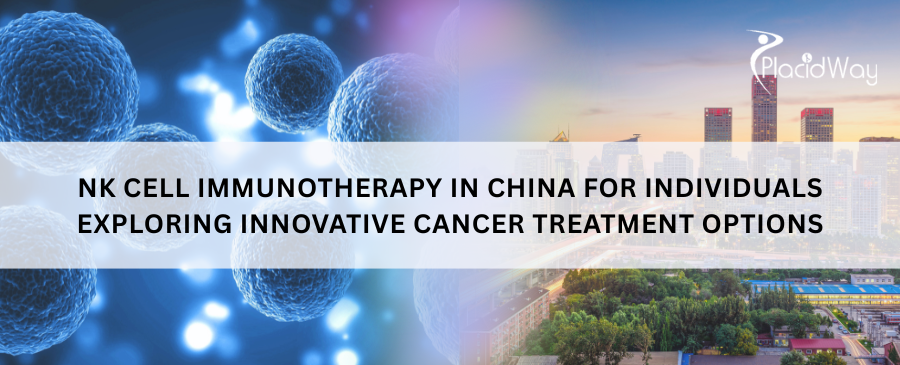
If you or a loved one are exploring innovative cancer treatment options, you’ve likely come across various forms of immunotherapy. Among these, NK Cell Immunotherapy, or Natural Killer Cell Immunotherapy, is gaining significant attention, particularly in countries like China, known for their rapid advancements in medical biotechnology. This cutting-edge treatment leverages your body’s own immune system to target and destroy cancer cells, offering a personalized approach to fighting the disease.
China has become a notable destination for patients worldwide seeking this advanced therapy. Many individuals are considering NK Cell Immunotherapy in China due to the country’s investment in research, specialized clinics, and sometimes more accessible treatment protocols compared to Western countries. This blog post will delve into what NK Cell Immunotherapy entails, why China is a popular choice, and address crucial questions for anyone considering this innovative path for their cancer treatment.
Table of Contents
What is NK Cell Immunotherapy and how does it fight cancer?
Natural killer (NK) cells are a crucial component of the innate immune system, serving as the body’s first line of defense against infections and cancer. Unlike T-cells, which require specific antigens to be activated, NK cells can recognize and eliminate abnormal cells, including cancer cells, spontaneously. This unique ability makes them a powerful tool in the fight against various malignancies.
In NK Cell Immunotherapy, NK cells are typically extracted from the patient’s own blood (autologous) or from a healthy donor (allogeneic). These cells are then expanded and activated in a laboratory setting to significantly increase their numbers and enhance their cancer-fighting capabilities. Once prepared, these highly potent NK cells are infused back into the patient’s bloodstream, where they circulate throughout the body, seeking out and destroying cancer cells. This process aims to bolster the patient’s immune response, providing a targeted and often less toxic alternative to traditional treatments like chemotherapy or radiation.
Why are patients considering China for NK Cell Immunotherapy?
China has made significant strides in medical research and technology, particularly in the field of cellular therapies and regenerative medicine. For patients seeking NK Cell Immunotherapy, China offers several compelling advantages. The country has a growing number of specialized hospitals and research centers that focus on developing and delivering advanced immunotherapies, often with state-of-the-art facilities and experienced medical professionals. These institutions are frequently at the forefront of clinical trials and innovative protocols, attracting international patients.
Another major draw for medical tourists is the potential for faster access to treatment. In some Western countries, obtaining approval for novel immunotherapies can involve lengthy waiting lists or strict eligibility criteria. China can sometimes offer a more streamlined process, allowing patients to begin their treatment sooner. Furthermore, the overall cost of advanced cancer treatment in China, including NK Cell Immunotherapy, can be more competitive than in North America or Europe, making it a viable option for those concerned about financial burdens. This combination of innovation, accessibility, and cost-effectiveness positions China as a leading destination for those exploring advanced cancer care.
What types of cancer are treated with NK Cell Immunotherapy in China?
NK Cell Immunotherapy holds promise for a broad spectrum of cancers, both solid tumors and blood cancers. In China, clinics are actively applying and researching its efficacy across different cancer types. This includes common malignancies such as lung cancer, liver cancer, colorectal cancer, and breast cancer, where NK cells can be trained to target specific cancer markers.
Additionally, NK Cell Immunotherapy is being utilized in hematological cancers like lymphomas and leukemias, where immune cells play a direct role in the disease’s progression. It can be used as a primary treatment, an adjuvant therapy following surgery or chemotherapy, or as a treatment option for patients who have exhausted conventional therapies. The versatility of NK cells to recognize and eliminate various types of cancerous cells makes it a broad-spectrum therapy that continues to expand its reach.
What is the typical process for receiving NK Cell Immunotherapy in China?
For international patients considering NK Cell Immunotherapy in China, the journey generally begins with a thorough medical evaluation. This involves submitting detailed medical records, including diagnostic reports, previous treatment history, and current health status, to a specialized clinic. The medical team reviews these documents to determine if the patient is a suitable candidate for the therapy.
Once deemed eligible, the process typically proceeds as follows:
- Cell Collection: Blood is drawn from the patient (or a suitable donor) to collect the NK cells. This is usually done through a procedure similar to blood donation.
- Cell Expansion and Activation: The collected NK cells are sent to a specialized laboratory where they are cultured and expanded significantly in number. During this period, which can take several weeks, the cells are also activated to enhance their cancer-fighting capabilities.
- Infusion: The expanded and activated NK cells are then administered back to the patient intravenously, similar to a blood transfusion. This procedure is generally well-tolerated.
- Post-Treatment Monitoring: Following the infusion, patients undergo a period of monitoring to assess their response to the treatment and manage any potential side effects. Follow-up appointments and diagnostic tests are crucial to track progress.
Throughout this process, medical teams in China provide comprehensive support, often including translation services and assistance with logistics for international patients.
What are the potential benefits of NK Cell Immunotherapy for cancer patients?
NK Cell Immunotherapy offers several distinct advantages that make it an attractive option for cancer patients. One of the primary benefits is its targeted approach. NK cells are naturally programmed to distinguish between healthy cells and cancerous cells, leading to precise destruction of tumors with minimal harm to surrounding healthy tissues. This specificity often results in fewer and less severe side effects compared to conventional treatments like chemotherapy and radiation, which can cause significant damage to the body.
Furthermore, NK cells have a broad-spectrum anti-tumor activity, meaning they can target various types of cancer cells. They are also less likely to cause graft-versus-host disease (GVHD) when derived from donors, making allogeneic NK cell therapy a potentially safer option in some cases. For many patients, NK Cell Immunotherapy offers hope for improved quality of life during treatment and the possibility of achieving long-term remission, especially when other treatments have failed or are not suitable. Its innovative mechanism of action provides a new avenue for fighting complex and aggressive cancers.
Are there risks or side effects associated with NK Cell Immunotherapy?
Like any medical treatment, NK Cell Immunotherapy carries potential risks and side effects, though they are generally considered less severe than those associated with traditional chemotherapy or radiation. The most common side effects are often mild and temporary, resembling flu-like symptoms. These can include fever, chills, fatigue, headache, and muscle aches, which typically subside within a few days after infusion.
More serious side effects are rare but can occur. These might include allergic reactions to the infused cells or components of the infusion, or a condition called cytokine release syndrome (CRS). CRS happens when the immune system has a strong, systemic inflammatory response, leading to symptoms like high fever, low blood pressure, and difficulty breathing. However, medical teams in China are highly experienced in managing these potential complications through careful patient selection, pre-treatment screening, and vigilant post-infusion monitoring. Patients are closely observed to ensure their safety and well-being throughout the treatment process.
How much does NK Cell Immunotherapy cost in China?
The cost of NK Cell Immunotherapy in China is a major factor for many international patients, and it can vary widely based on several elements. These include the specific clinic or hospital chosen, the number of NK cell infusions required, the complexity of the patient’s condition, and any additional supportive treatments or medications needed. On average, a single cycle of NK Cell Immunotherapy can range from approximately $15,000 to $40,000.
While this may seem substantial, it is often considerably more affordable than comparable treatments in countries like the United States or parts of Europe. Patients considering cancer treatment abroad for cost-effectiveness frequently find China to be a viable option. It is crucial for prospective patients to obtain a detailed cost breakdown from their chosen clinic, which should encompass all aspects of the treatment, including cell collection, expansion, infusion, and post-treatment follow-up. This transparency helps patients plan their medical travel budget effectively.
How can I find a reputable clinic for NK Cell Immunotherapy in China?
Finding a reputable clinic for NK Cell Immunotherapy in China requires thorough research and due diligence, especially for international patients. It is essential to choose a facility with a strong track record, specialized expertise in cellular therapies, and high standards of patient care. Here are some key steps:
Research Accredited Institutions: Look for hospitals and cancer centers that are accredited by national or international bodies. These accreditations often indicate adherence to strict medical and safety protocols.
- Specialization in Immunotherapy: Prioritize clinics that have a dedicated department or significant experience in immunotherapy, particularly with natural killer cell treatments.
- Doctor Qualifications: Investigate the qualifications and experience of the medical team, ensuring they have extensive expertise in oncology and cellular therapies.
- International Patient Services: Many reputable clinics in China offer specific services for international patients, including English-speaking staff, translation services, and assistance with travel and accommodation.
- Patient Testimonials and Reviews: Seek out genuine patient testimonials and reviews from previous international patients to gauge their experiences with the clinic’s care and outcomes.
Engaging with a reputable medical tourism facilitator can also streamline this process, providing access to a curated list of verified clinics and expert guidance.
What should international patients consider when planning medical travel to China for cancer treatment?
Planning medical tourism to China for advanced cancer treatment like NK Cell Immunotherapy involves several important considerations to ensure a smooth and successful experience. Beyond selecting the right clinic, patients need to manage various logistical aspects:
- Visa and Travel: Research and secure the appropriate visa for medical treatment in China well in advance. Consider flight options, travel insurance, and local transportation within China.
- Accommodation: Arrange suitable accommodation near the clinic, which may range from hotels to serviced apartments, depending on the duration of stay and personal preferences.
- Language and Communication: While many clinics cater to international patients with English-speaking staff, having access to reliable translation services for daily needs can be very beneficial.
- Cultural Differences: Familiarize yourself with local customs and etiquette to navigate your stay comfortably.
- Financial Planning: Beyond treatment costs, factor in expenses for travel, accommodation, food, and potential emergencies. Ensure clear understanding of payment schedules with the clinic.
- Medical Records and Follow-up: Bring all necessary medical records and ensure a plan is in place for follow-up care upon returning home.
Many clinics offer dedicated international patient departments that can assist with these arrangements, helping to alleviate stress during a challenging time.
What are the expected outcomes and success rates for NK Cell Immunotherapy?
The expected outcomes and success rates of NK Cell Immunotherapy are highly dependent on numerous factors, including the specific type and stage of cancer, the patient’s overall health, prior treatments, and the specific protocol used by the clinic. While it is not a guaranteed cure for all cancers, research and clinical experience in China and globally have shown promising results in various settings.
Many studies and clinical reports indicate that NK Cell Immunotherapy can lead to:
- Disease Stabilization: Preventing further progression of the cancer.
- Tumor Regression: Shrinking the size of tumors.
- Complete or Partial Remission: In some cases, achieving a significant reduction or disappearance of cancer cells.
- Improved Survival Rates: Extending the life expectancy of patients.
- Enhanced Quality of Life: Due to fewer severe side effects compared to conventional treatments.
It is often used as a complementary therapy, enhancing the effects of chemotherapy or radiation, or as a standalone option for patients who have exhausted other avenues. Patients should have realistic expectations and engage in open discussions with their medical team about the potential benefits and limitations of NK Cell Immunotherapy for their individual case. Continuous follow-up and monitoring are crucial to assess the long-term effectiveness of the treatment.
When considering advanced medical treatments like NK Cell Immunotherapy in China, having a trusted partner to navigate your options is invaluable. PlacidWay connects you with world-class healthcare providers and helps you explore global medical solutions tailored to your needs. If you are looking for innovative cancer treatment options, don’t hesitate to explore how PlacidWay can assist you in finding the best care.