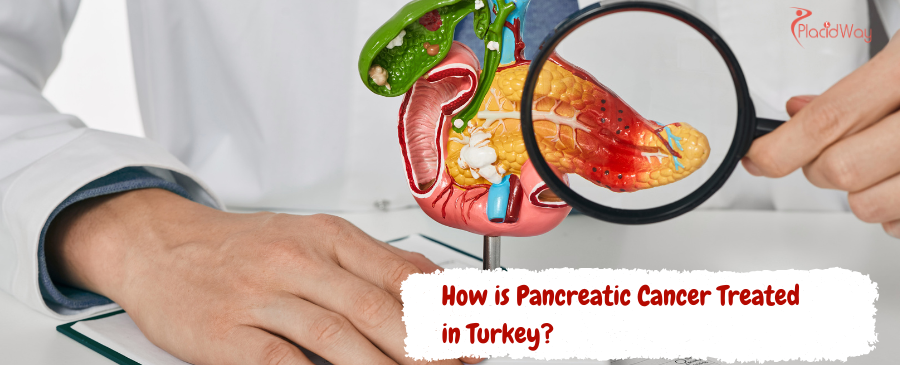
Pancreatic cancer treatment in Turkey involves a multidisciplinary strategy, combining advanced surgical techniques like the Whipple procedure, chemotherapy, radiation therapy, and newer options such as targeted therapy and immunotherapy. For early-stage resectable cancers, surgical success rates can be as high as 80%, with overall survival improving due to these comprehensive approaches.
Pancreatic cancer is one of the most challenging forms of cancer, often diagnosed at advanced stages. However, Turkey has emerged as a prominent destination for high-quality, comprehensive cancer care, attracting international patients seeking effective treatment options.
The Turkish healthcare system has made significant advancements in oncology, with many hospitals boasting international accreditations and state-of-the-art technology for both diagnosis and treatment. This ensures a personalized approach to managing pancreatic cancer, aiming for the best possible patient outcomes.
From complex surgical interventions like the Whipple procedure to innovative chemotherapy and radiation techniques, Turkey offers a broad spectrum of care at competitive prices. Navigating the journey of pancreatic cancer treatment requires detailed information and reliable support.
PlacidWay, a medical tourism facilitator, connects patients with leading hospitals and specialists, helping them access world-class care abroad. This article will provide an in-depth look at How is Pancreatic Cancer Treated in Turkey?, covering common treatment options, costs, recovery, and what to expect on this critical medical journey.
Key Takeaways for Pancreatic Cancer Treatment in Turkey
- Multidisciplinary Expertise: Patients benefit from integrated care plans developed by a team of specialists, ensuring comprehensive treatment strategies.
- Advanced Technology: Turkish hospitals utilize cutting-edge diagnostic tools and surgical systems, including robotic-assisted surgery, for improved precision and outcomes.
- Cost-Effectiveness: Treatment costs in Turkey are significantly lower compared to Western countries, often without compromising quality of care.
- Personalized Treatment Plans: Care is tailored to each patient’s specific cancer stage, location, and overall health, optimizing effectiveness.
- High-Quality Care Standards: Many hospitals hold international accreditations like JCI, affirming adherence to global benchmarks for patient safety and medical quality.
Understanding Pancreatic Cancer Treatment Approaches in Turkey
Pancreatic cancer treatment in Turkey involves a comprehensive, multidisciplinary approach that combines surgery, chemotherapy, radiation, and advanced therapies like targeted therapy and immunotherapy.
The specific treatment plan is highly individualized, depending on the cancer’s stage, its exact location within the pancreas, and the patient’s overall health and preferences. This tailored strategy is crucial for optimizing outcomes in a complex disease like pancreatic cancer.
Common modalities include surgical resections such as the Whipple procedure for tumors in the head of the pancreas, distal pancreatectomy for body/tail tumors, and total pancreatectomy in rare cases of widespread resectable cancer.
Chemotherapy is used pre-surgery (neoadjuvant) to shrink tumors, post-surgery (adjuvant) to eliminate residual cells, or palliatively for advanced disease. Radiation therapy often complements chemotherapy (chemoradiation) to enhance efficacy or manage symptoms.
Newer approaches like targeted therapy, which focuses on specific cancer cell molecules, and immunotherapy, which boosts the body’s immune response, are increasingly integrated into treatment plans, especially for patients with specific genetic mutations or in clinical trial settings.
Evidence-Based Outcomes and Potential Risks of Treatment
Evidence & Outcomes: Success rates for pancreatic cancer treatment in Turkey significantly vary by the stage of diagnosis, with early-stage resectable cancers showing higher efficacy. For these early cases, surgical success in removing the tumor can reach up to 80%, with overall survival rates improving thanks to advanced multidisciplinary care and innovative therapies. Some studies even report an average survival of 18 months in advanced stages in Turkey, surpassing a global average of 12 months in certain contexts.
Risks & Contraindications: Pancreatic cancer treatments carry potential risks, including surgical complications like bleeding, infection, and pancreatic fistula. Chemotherapy can lead to side effects such as nausea, fatigue, and bone marrow suppression, while radiation therapy may cause skin changes and digestive issues. Targeted therapies and immunotherapies have their own unique adverse events. Individual responses vary greatly, and it is crucial to discuss all potential risks with a qualified physician. Seek immediate care if you experience severe pain, uncontrolled bleeding, high fever, or sudden changes in your condition.
Did You Know?
Did you know that Turkey is home to some of the world’s most advanced medical facilities, where patients often save significant amounts on pancreatic cancer treatment while receiving care that meets or exceeds international hospital standards?
Analyzing Pancreatic Cancer Treatment Costs in Turkey
The cost of pancreatic cancer treatment in Turkey typically ranges from $8,000 to $30,560 USD for comprehensive care. This price point is remarkably lower than in many Western countries, making Turkey an attractive option for high-quality, specialized medical procedures.
Cost variations depend on factors such as the specific procedures required, the cancer’s stage, the chosen hospital, and the duration of stay. Despite the lower costs, the quality of care remains high, with many Turkish hospitals achieving international accreditations.
Cost Breakdown
Major Savings
| Country |
Estimated Cost |
Average Savings |
| Turkey |
$25,000 |
Starting Point Best Value |
| United States |
$150,000 |
83% Savings |
| United Kingdom |
$120,000 |
79% Savings |
| Canada / Australia |
$130,000 |
80% Savings |
Essential Facts & Pro-Tips
1
Fast Fact: Many Turkish hospitals are internationally accredited by organizations like JCI, ensuring adherence to global quality and patient safety standards, making their care comparable to top centers worldwide.
2
Travel Tip: Medical tourism facilitators can significantly simplify your treatment journey by helping you obtain detailed cost breakdowns, arrange all-inclusive packages, and coordinate logistics like travel and accommodation.
3
Recovery Tip: Post-surgical recovery for pancreatic cancer in Turkey typically involves 1-3 weeks in the hospital, followed by several months for full recovery at home, with nutritional support and managing potential diabetes being crucial.
Your Pancreatic Cancer Treatment Journey in Turkey
Navigating a medical journey abroad can seem daunting, but Turkish medical facilities are well-equipped to guide international patients through every step. The process is designed to minimize downtime while ensuring strict adherence to safety protocols and a smooth, efficient experience.
Day 01
Initial Consultation and Diagnostics
Upon arrival, you will undergo a comprehensive physical examination, detailed medical history review, and essential diagnostic tests such as CT, MRI, or EUS scans, blood tests (including CA 19-9), and potentially a biopsy to confirm diagnosis and staging. This information is vital for crafting your personalized treatment plan.
Day 02 — 03
Treatment Initiation (Surgery or Therapy)
Depending on your individualized treatment plan, this period typically involves the primary medical intervention, such as surgery (Whipple procedure, distal pancreatectomy, etc.) or the commencement of chemotherapy or radiation therapy. You will receive immediate post-procedure recovery and meticulous monitoring by the medical team.
Day 04 — 05
Hospital Stay and Early Recovery
During these days, you will remain in the hospital for close observation, pain management, and early mobilization. The medical team will monitor your healing progression, manage any immediate side effects, and provide detailed instructions for your continued recovery. Discharge planning, including follow-up care and dietary guidelines, will also begin during this phase.
Frequently Asked Questions About Pancreatic Cancer Treatment in Turkey
1. What are the common treatment options for pancreatic cancer in Turkey?+
Common pancreatic cancer treatment options in Turkey include surgery, primarily the Whipple procedure for head tumors, distal pancreatectomy for body/tail tumors, and in rare cases, total pancreatectomy. These surgical interventions are often performed using minimally invasive techniques, such as laparoscopic or robotic-assisted methods, which can lead to faster recovery times and reduced pain.
Beyond surgery, chemotherapy (neoadjuvant, adjuvant, and palliative), radiation therapy (often combined with chemotherapy), targeted therapy, and emerging immunotherapies are integral parts of the treatment landscape. The specific plan is always tailored to the individual patient’s condition and the cancer’s stage.
2. How do doctors diagnose pancreatic cancer in Turkey?+
Doctors in Turkey employ a comprehensive diagnostic process for pancreatic cancer. This begins with a thorough physical examination and medical history review to assess symptoms and risk factors. Blood tests are crucial, especially for tumor markers like CA 19-9, which can indicate the presence of cancer and monitor treatment effectiveness, alongside liver function tests for bile duct obstruction.
Advanced imaging tests provide detailed views of the pancreas and surrounding areas, including Computed Tomography (CT) scans, Magnetic Resonance Imaging (MRI), Positron Emission Tomography (PET) scans, and Endoscopic Ultrasound (EUS), often used to guide biopsies. A biopsy, involving a tissue sample examination by a pathologist, is the only definitive method to confirm the cancer diagnosis.
3. What are the latest advancements in pancreatic cancer treatment in Turkey?+
Turkey’s pancreatic cancer treatment landscape incorporates several cutting-edge advancements. Neoadjuvant therapy optimization is increasingly used, where intensive chemotherapy and/or radiation are administered before surgery to shrink tumors, making them more resectable. This can convert previously inoperable cases into operable ones, significantly improving patient outcomes.
Precision medicine, including molecular profiling to identify genetic mutations, guides targeted therapies like PARP inhibitors, offering more effective and less toxic treatments. Immunotherapy, while still evolving, is explored in clinical trials, harnessing the body’s immune system to fight cancer. Advanced surgical techniques, such as laparoscopic and robotic-assisted pancreatectomy, lead to faster recovery. Improved supportive and palliative care and active participation in clinical trials further enhance treatment.
4. What is the typical recovery period after pancreatic cancer surgery in Turkey?+
The typical recovery period after pancreatic cancer surgery in Turkey spans several stages. Patients usually spend 1-3 weeks in the hospital, starting with intensive care monitoring for a few days. During this time, pain management is prioritized, and patients are encouraged to mobilize early to prevent complications. Diet is gradually advanced from liquids to solid foods as the digestive system recovers.
Initial home recovery typically lasts 2-4 weeks post-discharge, during which fatigue and discomfort persist, and strenuous activities are restricted. Full recovery can take 3-6 months, involving a gradual return to normal activities. Long-term management includes lifelong monitoring, nutritional support with enzyme replacement, and diabetes management if insulin production is affected.
5. Which hospitals in Turkey specialize in pancreatic cancer treatment?+
Several prominent hospitals in Turkey are recognized for their expertise in pancreatic cancer treatment. These include Florence Nightingale Hospital, known for its oncology department and robotic-assisted surgeries, and Medicana International Istanbul Hospital, equipped with modern diagnostic tools like PET-CT and EUS for comprehensive treatment programs. Memorial Şişli Hospital, accredited by JCI, specializes in innovative surgical techniques, including HIPEC for certain cases.
Liv Hospital is noted for its advanced technology and patient-centered oncology approach, while Anadolu Medical Center, affiliated with Johns Hopkins Medicine, offers American treatment standards. The Acıbadem Healthcare Group, with multiple facilities across Turkey, is also highly regarded for its comprehensive cancer programs and experienced specialists. When choosing, look for international accreditations, specialist experience, and advanced technology.
6. How does the quality of pancreatic cancer treatment in Turkey compare to Western countries?+
The quality of pancreatic cancer treatment in Turkey is highly comparable to Western countries. Many leading hospitals have international accreditations, such as from the Joint Commission International (JCI), indicating adherence to rigorous global standards for patient safety and care. These medical centers are equipped with state-of-the-art diagnostic and treatment technologies, including advanced imaging systems and robotic surgical platforms like da Vinci.
Furthermore, many Turkish oncologists and surgeons receive training from prestigious institutions in Europe and the United States, maintaining current best practices. The multidisciplinary team approach to cancer care, similar to leading Western centers, ensures comprehensive and tailored treatment plans. This high quality is offered at significantly lower costs, primarily due to more favorable operational expenses rather than a compromise in standards.
7. Is a second opinion for pancreatic cancer treatment available in Turkey?+
Yes, obtaining a second opinion for pancreatic cancer treatment in Turkey is highly encouraged and readily available. Many leading hospitals offer virtual consultations, allowing you to submit existing medical records, imaging scans (CT, MRI, PET), and biopsy reports for review by a specialized oncology team. This process provides a detailed second opinion, often including a recommended treatment strategy.
Top Turkish hospitals also host multidisciplinary tumor boards where specialists collaboratively review patient cases, ensuring a comprehensive evaluation. Benefits of a second opinion include confirmation of diagnosis and staging, exploration of alternative treatments or clinical trials, peace of mind, and the opportunity to compare treatment costs.
8. Are there specific dietary recommendations for pancreatic cancer patients in Turkey?+
Yes, pancreatic cancer patients in Turkey receive specific dietary recommendations tailored to their needs, often managed by dedicated dietitians. Pancreatic enzyme replacement therapy (PERT) is a critical component, especially after surgery, to aid in digesting fats, proteins, and carbohydrates, which helps improve nutrient absorption and reduce digestive discomfort.
Patients are typically advised to eat small, frequent meals throughout the day, focus on a low-fat diet, and ensure adequate protein intake for healing and strength. Hydration, managing blood sugar levels (if diabetes develops), and consuming nutrient-dense foods are also emphasized. Avoiding irritant foods and managing fiber intake are customized to individual tolerance to support overall recovery and well-being during treatment.
Ready to Take the Next Step Towards Recovery?
Choosing the right destination for your medical care is significant. By opting for treatment abroad, you are not just saving on costs—you are gaining access to specialized clinicians and world-class care.
Get Your Free Quote Now
Medical Disclaimer: This article is provided for informational and educational purposes only and is not intended to be a substitute for professional medical advice, diagnosis, or treatment. PlacidWay is a medical tourism facilitator, connecting patients with healthcare providers, and does not directly provide medical care. Always seek the advice of a qualified physician or other healthcare provider with any questions you may have regarding a medical condition or treatment. Never disregard professional medical advice or delay in seeking it because of something you have read in this article. Individual results may vary, and specific outcomes are not guaranteed. Before making any medical decisions, especially concerning complex conditions like pancreatic cancer, it is essential to consult with a specialist. If you experience severe or worsening symptoms, seek immediate professional medical care.