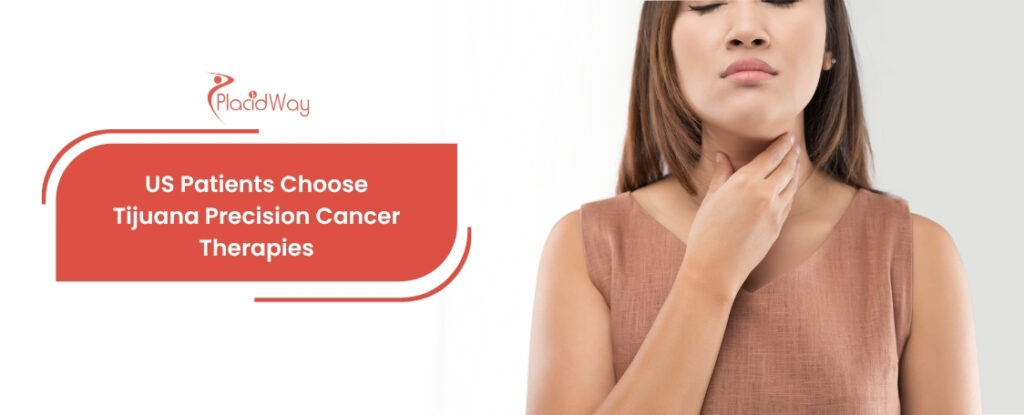
Precision Medicine South of the Border: U.S. Patients Access Targeted Thyroid Cancer Therapies in Tijuana, Mexico
As the landscape of oncology rapidly evolves, precision medicine has emerged as a beacon of hope for patients battling complex malignancies. However, the financial toxicity associated with these state-of-the-art treatments has forced many to seek viable alternatives outside their home country. According to the Official News Source, the border region has quietly transformed into a premier destination for personalized oncological care, offering robust medical infrastructure and specialized expertise just minutes away from San Diego, California. For patients dealing with advanced forms of thyroid cancer, this geographical advantage translates into life-saving opportunities that merge affordability with uncompromised clinical excellence.
Table of Contents
The Rise of Precision Oncology Across the Border
For decades, the standard of care for thyroid cancer revolved primarily around surgical intervention, namely thyroidectomies, followed by radioactive iodine therapy and hormone suppression. While highly effective for localized and early-stage cancers, these conventional modalities often fall short when dealing with advanced, metastatic, or radioactive iodine-refractory thyroid malignancies. In these challenging scenarios, precision oncology represents a monumental leap forward, utilizing systemic drugs that specifically target the genetic and molecular alterations driving tumor growth.
Mexican medical centers, particularly those situated in border cities, have rapidly integrated these cutting-edge methodologies into their oncology departments. By investing heavily in state-of-the-art diagnostic imaging, advanced pathology laboratories, and ongoing medical education for their staff, these facilities are positioned at the forefront of global cancer care. The integration of targeted therapies requires highly specialized knowledge to manage dosing, monitor side effects, and adjust protocols based on patient response. Medical institutions in this region have successfully recruited top-tier oncologists, many of whom have trained internationally, to helm these sophisticated precision medicine programs.
The paradigm is shifting from a one-size-fits-all approach to highly individualized medical strategies. By analyzing the unique genetic profile of a patient’s tumor, oncologists in Mexico are able to prescribe specific inhibitors that block the pathways cancer cells use to survive and multiply. This not only increases the efficacy of the treatment but also minimizes the systemic damage often associated with traditional chemotherapy, thereby preserving the patient’s quality of life during a rigorous medical journey.
Why U.S. Patients Are Looking South for Thyroid Cancer Care
The decision to seek cancer treatment abroad is rarely made lightly. For patients in the United States, this choice is frequently propelled by a combination of high deductibles, insurance denials for off-label drug usage, and exorbitant out-of-pocket expenses. The proximity of the Mexican border presents a unique logistical advantage for North American patients. A brief drive or a short flight to Southern California, followed by a streamlined border crossing, allows patients to access top-tier medical facilities without the physical toll of intercontinental travel.
Beyond mere geography and economics, patients are drawn to the patient-centric model of care prevalent in these cross-border medical hubs. The American healthcare system, while technologically advanced, is often criticized for its bureaucratic hurdles, rushed consultations, and fragmented care networks. In contrast, international patients frequently report experiencing longer, more comprehensive consultations with their oncologists abroad. This holistic approach ensures that the psychological, nutritional, and emotional aspects of navigating a cancer diagnosis are addressed alongside the clinical treatment protocol.
The border region of Baja California accommodates millions of health and wellness travelers annually. To support this massive influx, local governments and private enterprises have developed dedicated medical lanes at the border crossings, drastically reducing wait times and ensuring seamless transit for patients traveling back and forth for ongoing oncology treatments.
Understanding Targeted Therapies for Thyroid Malignancies
Targeted therapies represent a fundamental shift in oncological pharmacology. Unlike traditional chemotherapy, which attacks all rapidly dividing cells indiscriminately, targeted drugs zero in on specific proteins, genes, or tissue environments that contribute to cancer growth and survival. In the context of thyroid cancer, these treatments are primarily utilized for advanced Medullary Thyroid Cancer, Anaplastic Thyroid Cancer, and differentiated thyroid cancers that no longer respond to radioactive iodine.
Oncologists utilizing precision medicine rely on a diverse arsenal of medications, primarily consisting of tyrosine kinase inhibitors (TKIs). These sophisticated drugs block the chemical messengers that command cancer cells to multiply. Understanding the mechanics of these treatments highlights the necessity of accurate genetic testing and expert administration.
| Therapy Category | Mechanism of Action | Primary Clinical Application |
|---|---|---|
| Multi-Kinase Inhibitors | Blocks multiple enzymes responsible for cell growth and angiogenesis (blood vessel formation). | Progressive, radioactive iodine-refractory differentiated thyroid cancer. |
| RET Inhibitors | Specifically targets and neutralizes abnormal RET gene fusions or mutations. | Advanced Medullary Thyroid Cancer (MTC) and specific RET-altered papillary cancers. |
| BRAF Inhibitors | Attacks cells exhibiting the BRAF V600E mutation, halting the signaling pathway. | Aggressive Anaplastic Thyroid Cancer and BRAF-mutated Papillary Thyroid Cancer. |
| TRK Inhibitors | Targets NTRK gene fusions that accelerate abnormal cellular proliferation. | Metastatic solid tumors, including rare variations of advanced thyroid cancer. |
Overcoming Financial Toxicity in Modern Cancer Care
The phrase “financial toxicity” has become deeply ingrained in the modern oncological lexicon, describing the devastating economic burden placed on cancer patients. In the United States, oral targeted therapies for thyroid cancer can easily exceed tens of thousands of dollars per month. Even for patients with comprehensive health insurance, copayments, deductibles, and coinsurance can rapidly deplete life savings, leading to medical bankruptcy or, tragically, the abandonment of life-saving treatments.
By crossing the border, patients tap into a fundamentally different healthcare economic structure. The cost of medical consultations, diagnostic imaging, and facility fees in Mexico is a fraction of the U.S. equivalent. Furthermore, the global supply chain for pharmaceutical agents allows accredited medical facilities in Mexico to procure advanced oncology medications at significantly reduced price points compared to the heavily inflated U.S. market. This dramatic cost reduction empowers patients to maintain compliance with their targeted therapy regimens without sacrificing their financial stability.
“The paradigm of global healthcare is shifting dramatically. Precision medicine should not be a privilege reserved only for those who can endure severe financial hardship. What we are seeing with U.S. patients accessing targeted thyroid cancer therapies in Tijuana, Mexico, is a testament to the globalization of advanced medical care. Patients are taking control of their health by seeking out highly qualified specialists abroad, proving that borders are no longer a barrier to cutting-edge, life-saving oncology treatments.”
— Pramod Goel, CEO of PlacidWay
The Role of Genomic Testing in Personalized Treatment Plans
The efficacy of precision medicine is entirely dependent on accurate diagnostics. The bedrock of targeted thyroid cancer therapy is comprehensive genomic profiling (CGP). This highly advanced diagnostic tool sequences the DNA of the tumor to identify the exact molecular alterations, mutations, or gene fusions driving the cancer’s progression. Without this vital map, prescribing targeted therapies would be akin to navigating a labyrinth blindfolded.
Medical facilities specializing in medical tourism have forged partnerships with some of the world’s leading genomic testing laboratories. When a patient presents with advanced thyroid cancer, a biopsy or tissue sample is meticulously analyzed to uncover biomarkers such as BRAF, RET, or NTRK mutations. Based on this molecular blueprint, a multidisciplinary team of medical oncologists, endocrinologists, and pathologists collaborates to design a hyper-personalized treatment regimen.
This commitment to molecular diagnostics ensures that patients are only prescribed medications that have a high statistical probability of success based on their specific tumor biology. It eliminates the trial-and-error approach that has historically plagued cancer treatment, sparing patients from unnecessary side effects and lost time—a critical factor when dealing with aggressive malignancies.
Quality, Safety, and International Medical Standards
A common initial hesitation for patients considering cross-border healthcare is the assumption that lower costs equate to lower quality. However, the reality of the international medical travel industry tells a vastly different story. The facilities catering to North American patients are purposefully designed to meet, and often exceed, the stringent safety and quality standards expected in the United States. Many of these institutions hold international accreditations, which require rigorous adherence to protocols regarding infection control, patient safety, and clinical outcomes.
Furthermore, the medical professionals operating within these premium facilities represent the top tier of the region’s medical talent. It is standard practice to find bilingual oncologists who have completed fellowships in the United States, Canada, or Europe. This cross-pollination of medical education ensures that the clinical protocols utilized in Mexico are identical to the latest guidelines published by prominent global oncology organizations.
Many leading medical institutions across the border utilize multidisciplinary tumor boards—identical to the model used in top U.S. cancer centers. This means your case is systematically reviewed by a diverse panel of specialists, including surgeons, radiologists, and medical oncologists, to ensure the most comprehensive and effective treatment strategy is implemented.
The Patient Journey: Navigating Cross-Border Oncology
Embarking on a medical journey for complex oncology requires meticulous planning and coordination. The ecosystem surrounding cross-border medical care has evolved to provide concierge-level support, removing the stress of logistics so patients can focus entirely on their recovery. The patient journey typically unfolds through a series of highly coordinated steps designed to ensure continuity of care.
- Initial Remote Consultation and Record Review: Before any travel is booked, patients undergo comprehensive virtual consultations. Medical records, previous biopsy results, and imaging scans are securely transmitted and reviewed by the oncology team to determine candidacy for targeted therapies.
- Travel Coordination and Arrival: Dedicated patient coordinators assist with travel logistics, including airport transfers, fast-pass border crossing arrangements, and reservations at medically affiliated lodging designed for recovery.
- Comprehensive Diagnostic Validation: Upon arrival, the patient undergoes updated imaging and, if necessary, secondary biopsies for genomic profiling to confirm the precise molecular characteristics of the thyroid malignancy.
- Personalized Protocol Initiation: The multidisciplinary team finalizes the treatment plan. The patient receives extensive education regarding the specific targeted therapy prescribed, including mechanisms of action and side-effect management.
- Clinical Monitoring and Adjustments: The initial phases of targeted therapy are closely monitored. The oncology team tracks vital signs, blood work, and patient feedback to optimize dosing and manage any adverse reactions effectively.
- Long-Term Follow-Up and Remote Support: Cancer care is a marathon, not a sprint. Patients return home with a clear protocol, and follow-up care is seamlessly managed through telehealth platforms, ensuring continuous communication between the patient, their local primary care physician, and their international oncology team.
The Future of Medical Tourism and Precision Medicine
The intersection of medical tourism and precision medicine represents the next frontier in global healthcare. As genomic sequencing becomes faster and more sophisticated, the volume of targeted therapies entering the market will only increase. For patients facing rare or advanced forms of thyroid cancer, these pharmaceutical advancements are nothing short of miraculous. However, innovation in a vacuum serves no one if it remains locked behind insurmountable price tags.
The corridor between the United States and Mexico is proving that high-acuity medical care can be democratized. By fostering environments where international standards of clinical excellence intersect with economic accessibility, this region is setting a powerful precedent. The success of U.S. patients receiving targeted thyroid cancer therapies abroad highlights a resilient healthcare consumerism—where patients are willing to transcend geographical boundaries to secure their fundamental right to life-saving innovation.
As the global healthcare landscape continues to integrate, the role of medical travel facilitators and internationally accredited hospitals will become even more critical. They are the vital bridges connecting desperate patients with the personalized, precision-driven oncology treatments they desperately need, ultimately rewriting the narrative of what is possible in the fight against cancer.
Explore Your Precision Medicine Options Today
Don’t let financial barriers stand between you and the life-saving targeted therapies you deserve. Discover world-class, affordable oncology treatments tailored to your specific needs.