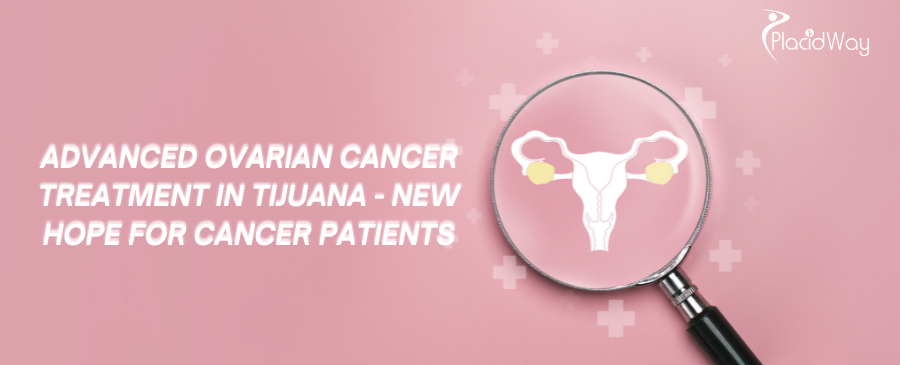
Dealing with an advanced ovarian cancer diagnosis can be an incredibly challenging and emotional experience. Patients often find themselves exploring every possible avenue for effective treatment, especially when conventional therapies have reached their limits or haven’t yielded the desired results. This search frequently leads individuals and their families to look beyond traditional medical landscapes, and increasingly, destinations like Tijuana, Mexico, are emerging as significant centers for advanced and integrative cancer care.
Tijuana has become a beacon of new hope for many patients worldwide, offering a unique blend of conventional oncology practices and innovative, complementary therapies. Ovarian Cancer Treatment in Tijuana clinics often emphasizes a holistic view, combining cutting-edge medical technologies with personalized protocols that focus not only on eradicating cancer cells but also on strengthening the patient’s immune system and improving overall quality of life. This comprehensive strategy aims to provide advanced ovarian cancer patients with more options and a renewed sense of possibility.
Table of Contents
What advanced ovarian cancer treatments are available in Tijuana?
In Tijuana, clinics specializing in advanced ovarian cancer treatment provide a broad spectrum of innovative therapies designed to tackle the disease from multiple angles. These often go beyond standard chemotherapy and radiation, integrating approaches that are either unavailable or less common in other countries. The goal is to create a highly personalized treatment plan tailored to each patient’s specific cancer profile and overall health.
Some of the advanced treatments you might find include:
- Personalized Immunotherapies: These therapies aim to boost the body’s natural defenses to fight cancer. Examples include dendritic cell vaccines, natural killer (NK) cell therapy, and various immunomodulatory treatments designed to make cancer cells more visible to the immune system.
- Targeted Therapies: These drugs focus on specific molecules involved in cancer cell growth and spread, often with fewer side effects than traditional chemotherapy. Clinics in Tijuana utilize genetic profiling to identify these targets.
- Regional Hyperthermia: This treatment involves heating tumor cells to damage them and make them more susceptible to other treatments like chemotherapy or radiation, often with localized application to minimize systemic effects.
- Low-Dose Chemotherapy and Insulin Potentiation Therapy (IPT): This approach uses significantly lower doses of chemotherapy drugs, often combined with insulin to selectively target cancer cells, reducing toxicity to healthy cells.
- Nutritional and Metabolic Therapies: Emphasizing diet changes (e.g., ketogenic diets), high-dose intravenous vitamin C, ozone therapy, and other metabolic interventions to create an environment less favorable for cancer growth and support overall health.
These therapies are often combined in a synergistic manner, aiming to enhance efficacy while minimizing adverse effects, offering a multifaceted approach to ovarian cancer Tijuana care.
How do advanced treatments in Tijuana differ from conventional ovarian cancer care?
The primary difference in Tijuana’s approach to advanced ovarian cancer treatment lies in its integrative philosophy. While conventional care typically follows a standardized protocol involving surgery, chemotherapy, and sometimes radiation, clinics in Tijuana frequently blend these established methods with a wide array of alternative and complementary therapies. This creates a highly individualized treatment strategy focused on the patient’s entire well-being, not just tumor eradication.
Key distinctions include:
- Personalized Protocols: Instead of a one-size-fits-all approach, treatments are often customized based on detailed diagnostic testing, including genetic profiling of the tumor, circulating tumor cell analysis, and comprehensive immune system assessments. This allows for therapies specifically chosen to target an individual’s unique cancer biology.
- Emphasis on Immune System Support: A cornerstone of many Tijuana clinics is strengthening the patient’s immune system through various immunotherapies, nutritional support, and detoxification protocols. The belief is that a robust immune system is crucial for fighting cancer and preventing recurrence.
- Holistic Patient Care: Beyond medical treatments, clinics often incorporate lifestyle modifications, psychological support, and stress reduction techniques. This addresses the physical, mental, and emotional aspects of living with cancer, contributing to a better quality of life.
This integrative model aims to reduce the harsh side effects of conventional treatments while enhancing their effectiveness, providing a more compassionate and comprehensive path for patients with advanced ovarian cancer.
Are these advanced ovarian cancer treatments in Tijuana recognized or FDA-approved?
The regulatory landscape for medical treatments varies significantly between countries. In Mexico, clinics operating under federal and state health regulations can offer treatments that might not yet be approved by the U.S. Food and Drug Administration (FDA) or other specific national health agencies. This does not necessarily mean these treatments are unsafe or ineffective; it often means they are either widely accepted and approved in other parts of the world, are considered off-label applications of approved drugs, or are part of ongoing innovative research in Mexico.
For patients seeking advanced ovarian cancer treatment in Tijuana, it’s important to understand this distinction:
- International Approvals: Some therapies, particularly certain immunotherapies or specific targeted drugs, may be approved and commonly used in European countries, Asia, or other regions, even if not yet in the U.S.
- Off-Label Use and Compounding: Existing drugs might be used for indications or in combinations not specifically approved by the FDA but deemed appropriate by Mexican physicians based on scientific literature and clinical experience. Compounding pharmacies in Mexico can also create personalized formulations.
- Experimental and Research-Based Therapies: Tijuana is home to clinics that actively engage in developing and offering novel therapies, often based on promising research. While these may not have broad regulatory approval yet, they are offered under different legal frameworks for patient care in Mexico, often with comprehensive informed consent.
Patients should always conduct thorough research and have detailed discussions with the medical team about the regulatory status and scientific evidence supporting any proposed new ovarian cancer therapies. The benefit for many is access to a wider range of options that are legally available and professionally administered within Mexico’s healthcare system.
What are the success rates or patient outcomes for advanced ovarian cancer treatment in Tijuana?
When discussing “success rates” for advanced ovarian cancer treatment in Tijuana, it’s crucial to approach this topic with realistic expectations. Advanced cancer, by its nature, presents complex challenges, and outcomes are highly individual. Clinics in Tijuana often focus on a combination of goals: extending survival, improving quality of life, achieving disease stabilization or remission, and managing symptoms. Universal success rates are difficult to quantify due to the highly personalized nature of the treatments and the diverse stages of cancer patients present with.
Factors influencing patient outcomes include:
- Stage of Cancer at Presentation: Patients arriving with very advanced, metastatic disease may have different prognoses than those with earlier stages, even if considered “advanced.”
- Patient’s Overall Health and Immune Status: A patient’s baseline health, nutritional status, and immune system strength can significantly impact their response to treatment.
- Specific Therapies Received: The combination and intensity of therapies (e.g., specific immunotherapies, targeted drugs, metabolic interventions) will play a role in individual outcomes.
- Adherence to Lifestyle Changes: Many integrative protocols require significant dietary and lifestyle modifications, and patient adherence can influence results.
Many patients seeking alternative cancer treatment Mexico-based report significant improvements in their symptoms, increased energy levels, reduction in tumor markers, and stabilization or reduction in tumor size. The focus is often on achieving a better quality of life and prolonging life meaningfully, even in situations where a complete cure may not be realistic. Clinics should be transparent about expected outcomes based on individual patient profiles, emphasizing realistic goals.
What is the typical cost of advanced ovarian cancer treatment in Tijuana?
The cost of advanced ovarian cancer treatment in Tijuana is a significant consideration for many patients, often being a driving factor in choosing medical tourism. While generally more affordable than comparable innovative treatments in the United States, the total expense can vary widely based on several factors. It’s not a single fixed price, as treatment plans are highly individualized.
Here’s a breakdown of what influences the cost:
- Type and Duration of Therapies: The specific blend of immunotherapies, targeted treatments, supportive therapies, and conventional treatments will dictate the cost. Longer treatment protocols or more intensive therapies naturally incur higher expenses.
- Clinic Reputation and Facilities: Established clinics with state-of-the-art equipment and highly experienced specialists may have higher fees.
- Inpatient vs. Outpatient Care: Whether treatment requires an extended inpatient stay or can be managed on an outpatient basis will affect accommodation and facility fees.
- Additional Services: Costs might include diagnostic tests, consultations with various specialists, medications, nutritional counseling, hyperbaric oxygen therapy, or other complementary services.
Compared to the U.S., where conventional ovarian cancer treatment can easily run into hundreds of thousands of dollars, the value proposition in Tijuana for innovative treatments can be substantial. However, patients should inquire about comprehensive package pricing that includes all aspects of care, and understand that most international health insurance plans may not cover treatments received abroad. It is essential to get a detailed breakdown of costs from any potential clinic during the consultation phase for medical tourism ovarian cancer care.
How do I choose a reputable clinic for ovarian cancer treatment in Tijuana?
Selecting the right clinic for advanced ovarian cancer treatment in Tijuana is perhaps the most critical step in your medical journey. With several options available, due diligence is essential to ensure you receive high-quality, safe, and effective care. A reputable clinic will be transparent, professional, and patient-focused.
Consider the following when making your choice:
- Accreditations and Certifications: Look for clinics that are accredited by recognized international or national bodies. While Mexican regulations differ, some clinics voluntarily adhere to international standards or have affiliations with medical organizations.
- Medical Team’s Expertise: Research the qualifications, experience, and specialization of the doctors, oncologists, and support staff. Ensure they have specific expertise in ovarian cancer stages and advanced therapies.
- Transparency in Treatment Plans and Costs: A reputable clinic will provide a clear, detailed treatment plan and a comprehensive breakdown of all associated costs upfront, without hidden fees.
- Patient Testimonials and Reviews: Seek out reviews, success stories, and testimonials from former patients. While individual results vary, consistent positive feedback regarding care quality and professionalism is a good sign.
- Multidisciplinary Approach: Clinics that offer a team-based approach, involving oncologists, nutritionists, naturopaths, and support staff, often provide more comprehensive care.
Don’t hesitate to ask for virtual tours, speak with a patient coordinator, and ask numerous questions about their protocols, safety measures, and aftercare. Trust your instincts and ensure you feel comfortable and confident in the clinic’s ability to provide the best possible integrative cancer therapy Tijuana offers.
What are the risks and benefits of seeking ovarian cancer treatment in Mexico?
Opting for advanced ovarian cancer treatment in Tijuana involves weighing a unique set of benefits against potential risks. Understanding these factors is crucial for making an informed decision about medical tourism for cancer care.
Benefits:
- Access to Innovative Therapies: Mexico’s regulatory environment allows for the use of novel treatments, including certain immunotherapies, targeted drugs, and metabolic therapies that may not be readily available or approved elsewhere.
- Personalized and Holistic Care: Many clinics in Tijuana prioritize individualized treatment plans, focusing on the patient’s entire well-being, incorporating nutritional, emotional, and spiritual support alongside medical interventions. This can lead to improved quality of life.
- Cost-Effectiveness: The overall cost of advanced treatments in Tijuana is often significantly lower than comparable care in the United States, making innovative therapies more accessible.
- Shorter Wait Times: Patients may experience quicker access to consultations and initiation of treatment compared to some healthcare systems.
Risks:
- Regulatory Differences: Therapies may not have the same level of regulatory scrutiny or approval as in some Western countries, requiring patients to rely heavily on clinic reputation and personal research.
- Travel and Logistics: International travel, especially for a sick patient, can be stressful. This includes arranging flights, accommodation, local transportation, and potentially a language barrier.
- Varying Standards of Care: While many clinics are excellent, the quality of care can vary. Thorough vetting is essential to ensure you choose a reputable and ethical provider.
- Follow-up Care Challenges: Integrating post-treatment care and follow-up with your home country’s healthcare providers can sometimes be complex.
Careful planning, extensive research, and open communication with chosen clinics and your local doctors can help mitigate these risks and maximize the benefits of seeking holistic cancer treatment Tijuana offers.
Can advanced ovarian cancer be cured in Tijuana?
When dealing with advanced ovarian cancer, it’s vital to have realistic expectations about treatment outcomes. While the innovative approaches in Tijuana offer significant hope and can lead to remarkable improvements for many patients, the term “cure” is often approached with caution, especially for late-stage diagnoses. The goal of advanced ovarian cancer treatment in Tijuana is typically multifaceted:
- Disease Stabilization: Halting or slowing the progression of the cancer.
- Tumor Regression: Reducing the size of tumors.
- Remission: Achieving a state where cancer signs and symptoms are significantly reduced or disappear, though it doesn’t always mean the cancer is gone permanently.
- Extended Survival: Significantly prolonging life compared to what might be expected with conventional treatments alone.
- Improved Quality of Life: Managing symptoms, reducing pain, increasing energy, and enabling patients to live more comfortably.
While some patients may experience long-term remission or even a functional “cure” where cancer is undetectable for extended periods, advanced ovarian cancer is often considered a chronic disease that requires ongoing management. The personalized and integrative therapies in Tijuana aim to shift the balance in the patient’s favor, empowering their body to fight the disease more effectively and sustain a better state of health. It is important for patients to discuss their individual prognosis and treatment goals candidly with their medical team.
What support services are offered to international patients at Tijuana cancer clinics?
Recognizing the unique needs of patients traveling from abroad for advanced ovarian cancer treatment in Tijuana, many clinics provide comprehensive support services to ensure a smooth and comfortable experience. These services are designed to alleviate the stress of international travel and focus on patient well-being.
Typical support services include:
- Bilingual Staff: Most reputable clinics employ English-speaking doctors, nurses, and administrative staff, ensuring clear communication throughout the treatment process.
- Transportation Assistance: Many clinics offer assistance with airport pick-up and drop-off, as well as daily transportation between accommodation and the clinic. Some may even help with border crossing logistics.
- Accommodation Recommendations: Clinics often have relationships with nearby hotels, apartments, or recovery centers that cater to medical tourists, sometimes offering discounted rates or specialized amenities.
- Patient Navigators/Coordinators: A dedicated staff member may be assigned to help patients with scheduling, understanding their treatment plan, and addressing any non-medical concerns.
- Nutritional Support and Meal Planning: Given the emphasis on diet in integrative oncology, clinics often provide personalized meal plans and guidance from qualified nutritionists.
- Emotional and Psychological Support: Some clinics offer counseling services, support groups, or access to therapists to help patients cope with the emotional challenges of cancer.
These services significantly enhance the patient experience, making medical tourism ovarian cancer a more manageable and less daunting prospect, allowing patients to focus their energy on healing.
What role does nutrition and lifestyle play in ovarian cancer treatment in Tijuana?
In Tijuana’s approach to advanced ovarian cancer treatment, nutrition and lifestyle are not considered secondary but rather fundamental components of the overall therapy. The philosophy often holds that a healthy internal environment is crucial for the body to fight cancer and respond optimally to medical interventions. This emphasis forms a core part of integrative cancer therapy Tijuana offers.
Here’s how nutrition and lifestyle are integrated:
- Personalized Nutritional Plans: Patients often receive highly individualized dietary recommendations. This could include anti-inflammatory diets, ketogenic diets, or specific protocols designed to starve cancer cells while nourishing healthy ones. The focus is on whole, unprocessed foods, rich in antioxidants and vital nutrients.
- High-Dose Intravenous (IV) Nutrients: Therapies such as high-dose IV Vitamin C, minerals, and other vital compounds are commonly used to support immune function, reduce inflammation, and in some cases, exhibit anti-cancer properties.
- Detoxification Protocols: Strategies like coffee enemas, colon hydrotherapy, and liver support are often incorporated to help the body eliminate toxins, which is believed to improve overall cellular health and function.
- Stress Management and Mind-Body Practices: Recognizing the profound connection between mental and physical health, clinics may incorporate meditation, yoga, biofeedback, or counseling to help patients manage stress, anxiety, and depression.
- Physical Activity: Depending on the patient’s condition, tailored exercise routines are encouraged to improve circulation, boost immune function, and enhance mood.
These lifestyle modifications are seen as empowering tools for patients, giving them an active role in their healing journey and supporting the efficacy of other new ovarian cancer therapies.
Considering your options for advanced ovarian cancer treatment? Explore how PlacidWay can connect you with leading clinics in Tijuana and worldwide, offering personalized and innovative healthcare solutions for your unique journey.