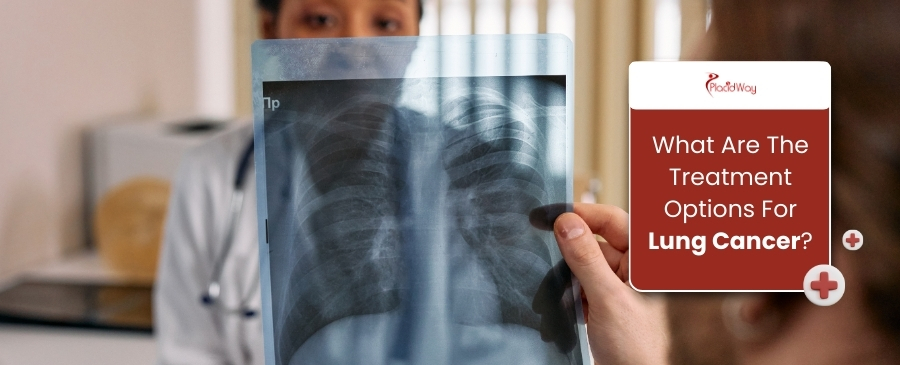
Lung cancer treatment options include surgery, chemotherapy, radiation therapy, targeted therapy, and immunotherapy, often applied in combination for optimal results. Early-stage non-small cell lung cancer (NSCLC), when localized, is typically treated with surgery. For more advanced or aggressive cases, chemotherapy and radiation are frequently used. Immunotherapy, leveraging the body’s immune system, has revolutionized care for advanced NSCLC and small cell lung cancer (SCLC), with various checkpoint inhibitors available.
Facing a lung cancer diagnosis brings forth many questions about the best course of action. The journey of lung cancer treatment is highly individualized, tailored to the specific type, stage, and unique genetic markers of the tumor, as well as the patient’s overall health.
Understanding the various pathways available is crucial for making informed decisions. From traditional surgical interventions to advanced targeted therapies and immunotherapies, a multidisciplinary approach often provides the most effective outcomes.
This article provides a comprehensive overview of What Are The Treatment Options For Lung Cancer? for both non-small cell and small cell lung cancer.
Please note, PlacidWay is a medical tourism facilitator, connecting patients with leading healthcare providers worldwide, not a medical provider itself. We aim to offer reliable information to guide your choices.
Key Takeaways for Effective Lung Cancer Treatment Decisions
- Personalized Approach: Treatment plans are highly individualized, considering cancer type, stage, health, and genetic markers.
- Combination Therapies: Often, a combination of treatments like surgery, chemotherapy, and radiation provides the best results.
- Advancements in Care: Targeted therapies and immunotherapies offer precise and effective options for many patients.
- Early Detection Benefits: Surgery is most effective for lung cancer caught in its early stages, particularly NSCLC.
- Global Access: Medical tourism provides access to specialized facilities and advanced lung cancer treatments worldwide.
What is Lung Cancer Treatment?
Lung cancer treatment refers to the medical interventions designed to eliminate, control, or reduce the impact of cancerous cells originating in the lungs. These treatments aim to improve patient outcomes and quality of life.
Understanding the array of available options is crucial for anyone facing this diagnosis. Each method targets cancer in a unique way, and often, a combination of these treatments provides the most effective approach.
The primary goal is always to remove or destroy cancer cells, control the disease’s spread, and improve the patient’s quality of life. Treatment strategies depend heavily on whether the cancer is non-small cell lung cancer (NSCLC) or small cell lung cancer (SCLC), its stage, and the patient’s overall health.
For instance, surgery is primarily considered for early-stage NSCLC. Chemotherapy is a systemic treatment often used for advanced or aggressive forms of the disease, and almost always for SCLC due to its rapid spread.
Radiation therapy uses high-energy beams to destroy cancer cells locally. Targeted therapies block specific molecular pathways driving cancer growth, while immunotherapies enhance the body’s own immune system to fight cancer.
Evidence and Risks of Lung Cancer Treatments
Evidence & Outcomes: Modern lung cancer treatments have significantly improved patient survival rates and quality of life. Surgical resection, particularly for early-stage NSCLC, offers the best chance for a cure when the tumor can be completely removed. Immunotherapy and targeted therapies have also shown remarkable success in extending life and managing advanced disease, especially in patients with specific genetic mutations, offering hope for long-term remission in some cases.
Risks & Contraindications: All lung cancer treatments carry potential risks and side effects, varying from fatigue and nausea with chemotherapy to surgical complications or radiation pneumonitis. Immunotherapy can lead to immune-related adverse events affecting various organs. Patients must discuss these risks thoroughly with their physician to understand personalized implications. Seek immediate care if you experience severe pain, difficulty breathing, high fever, or unexpected bleeding post-treatment. Individual results vary significantly, and professional medical consultation is essential before making any treatment decisions.
Did You Know?
Did you know that Mexico is home to some of the world’s most advanced medical facilities, where patients often save significant amounts on lung cancer treatment while receiving care that meets or exceeds international hospital standards? PlacidWay has served over 1.1 million patients since 2007, connecting them with trusted global providers.
Comparing Lung Cancer Treatment Costs Across Key Destinations
Patients exploring lung cancer treatment options often face significant financial burdens. Medical tourism offers a compelling alternative, providing access to high-quality care at a fraction of the cost found in many Western countries.
By traveling abroad, patients can receive advanced therapies, often with shorter waiting times and personalized attention, making the overall experience more accessible and less stressful without compromising on treatment quality.
Cost Breakdown
Major Savings
| Country |
Estimated Cost |
Average Savings |
| Mexico |
$18,995 |
Starting Point Best Value |
| United States |
$120,000 |
~84% Savings |
| United Kingdom |
$95,000 |
~80% Savings |
| Canada / Australia |
$85,000 |
~78% Savings |
Essential Facts & Pro-Tips for Lung Cancer Treatment Abroad
1
Fast Fact: Many international hospitals specializing in cancer treatment hold prestigious accreditations like JCI or ISO, ensuring adherence to global quality and safety standards. These certifications indicate a commitment to excellence in patient care and clinical outcomes.
2
Travel Tip: When planning medical travel, consider working with a facilitator like PlacidWay. They can assist with travel logistics, accommodation, language support, and clinic selection, simplifying the entire process for patients and their families. This support ensures a smoother and less stressful experience.
3
Recovery Tip: Adhere strictly to post-treatment instructions from your medical team, including medication schedules, wound care, and activity restrictions. Plan for adequate recovery time before resuming normal activities or traveling back home. Maintaining open communication with your care team is vital for successful healing.
Your Personalized Lung Cancer Treatment Journey in Mexico
Navigating lung cancer treatment can feel overwhelming, but a structured approach ensures comprehensive care. In leading medical tourism destinations like Mexico, efficiency and patient comfort are prioritized.
The treatment process is meticulously planned to minimize downtime while adhering to the highest safety standards, allowing patients to focus on their recovery. This streamlined journey is designed to provide optimal outcomes.
Day 01
Initial Consultation & Diagnostics
Arrival and initial consultation with your oncology team. This day includes comprehensive lab work, imaging scans, and a thorough review of your medical history to finalize your personalized treatment plan.
Day 02 — 03
Primary Treatment & Immediate Recovery
Your primary lung cancer intervention, whether surgery, initial chemotherapy, or radiation, is performed. Following the procedure, you will undergo immediate post-treatment monitoring and recovery in a dedicated facility, ensuring comfort and stability.
Day 04 — 05
Post-Treatment Observation & Discharge Planning
Follow-up check-ups are conducted to assess your healing progress and manage any immediate side effects. The medical team will provide detailed instructions for aftercare, including medication, diet, and activity guidelines, preparing you for discharge and continued recovery.
Frequently Asked Questions About Lung Cancer Treatment
1. What are the main types of lung cancer treatment?+
The main types of lung cancer treatment include surgery, chemotherapy, radiation therapy, targeted therapy, and immunotherapy. These options are frequently used individually or in combination to address the specific characteristics of the cancer.
2. When is surgery an option for lung cancer?+
Surgery is an option for lung cancer primarily in early-stage non-small cell lung cancer when the tumor is localized and can be completely removed. This approach is also suitable when the patient is healthy enough to undergo the extensive procedure. Surgical types vary, from a wedge resection for small tumors to a lobectomy or even a pneumonectomy for more extensive but localized disease.
3. How does chemotherapy treat lung cancer?+
Chemotherapy treats lung cancer by using powerful drugs, usually given intravenously, to kill rapidly dividing cancer cells throughout the body. This systemic treatment is often employed for advanced or aggressive forms of the disease, and is almost always a part of the treatment plan for small cell lung cancer (SCLC) due to its tendency to spread quickly. These drugs interfere with the cell division process, preferentially targeting fast-growing cancer cells.
4. What is radiation therapy for lung cancer?+
Radiation therapy for lung cancer uses high-energy X-rays or other particles to destroy cancer cells or shrink tumors. It can be delivered externally (External Beam Radiation Therapy or EBRT) or internally (Brachytherapy). This method is often used alone for patients unsuitable for surgery, or in combination with other lung cancer treatment options, precisely targeting tumors while sparing healthy tissue.
5. How do targeted therapies work for lung cancer?+
Targeted therapies work for lung cancer by blocking specific molecular pathways or genetic mutations that drive cancer cell growth, survival, and spread. This approach is highly personalized, requiring genetic testing of the tumor to identify specific “targets.” Unlike traditional chemotherapy, targeted therapy primarily affects cancer cells, often leading to fewer side effects on healthy tissues. Common targets include EGFR, ALK, and ROS1 mutations, for which specific inhibitors exist.
6. What is immunotherapy for lung cancer?+
Immunotherapy for lung cancer uses drugs to help the body’s own immune system recognize and attack cancer cells. It primarily involves checkpoint inhibitors that release “brakes” on immune cells, allowing them to mount a stronger anti-tumor response. This approach has revolutionized treatment for advanced non-small cell lung cancer (NSCLC) and is increasingly used in small cell lung cancer (SCLC). Popular drugs include PD-1, PD-L1, and CTLA-4 inhibitors, such as Pembrolizumab, Nivolumab, and Ipilimumab.
7. What factors influence the choice of lung cancer treatment?+
Several crucial factors influence the choice of lung cancer treatment. These include the specific type of lung cancer (NSCLC or SCLC), its stage (localized or metastatic), the presence of genetic mutations or biomarkers, and your overall health and fitness. Patient preferences and potential side effects are also important considerations. A multidisciplinary team of specialists collaborates to determine the most appropriate and effective personalized treatment plan.
8. Can combination therapies improve lung cancer outcomes?+
Yes, combination therapies frequently improve outcomes for lung cancer patients. For example, surgery may be followed by chemotherapy or radiation (adjuvant therapy) to eliminate any remaining cancer cells. Chemoradiation, which combines both, is a common approach for locally advanced disease. More recently, immunotherapy is being combined with chemotherapy or targeted therapies, demonstrating enhanced effectiveness by attacking cancer through multiple mechanisms. This multi-pronged strategy is often tailored to the individual’s specific cancer profile for maximum benefit.
Ready to Take the Next Step Towards Recovery?
Choosing the right destination for your medical care is significant. By opting for treatment abroad, you are not just saving on costs—you are gaining access to specialized clinicians and world-class care.
Get Your Free Quote Now
Related Resources for Lung Cancer Care
Medical Disclaimer: This article is intended for informational and educational purposes only. It should not be considered as medical advice, diagnosis, or a recommendation for treatment. Always consult a qualified physician or healthcare professional for any medical concerns or before making any decisions related to your health or treatment. PlacidWay is a medical tourism facilitator, connecting patients with healthcare providers; it does not provide medical services directly. Individual treatment outcomes can vary significantly, and results are never guaranteed. If you experience severe or worsening symptoms, please seek immediate professional medical care.