
What is the True Cancer Treatment Cost Without Insurance?

What is the True Cancer Treatment Cost Without Insurance?

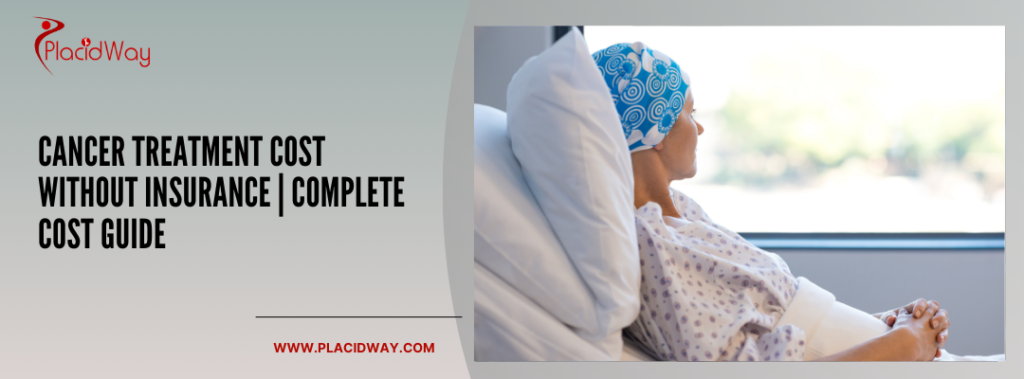
Cancer Treatment Cost Without Insurance | Complete Cost Guide

Cancer Treatment Cost Without Insurance | Complete Cost Guide

The average total cost for cancer treatment without insurance ranges from $150,000 to over $500,000, depending on the cancer type, stage, and treatment duration. Diagnostic tests, surgery, chemotherapy, radiation, and immunotherapy all contribute significantly to this immense financial burden, with hospital markups and geographic location also playing a major role.

A cancer diagnosis profoundly impacts every aspect of life, and for those without health insurance, the financial implications can feel insurmountable. The U.S. healthcare system, while advanced, often presents exorbitant costs that can push individuals into deep medical debt.

Understanding the potential expenses and available resources is crucial for navigating this challenging journey. This guide offers a comprehensive look into managing Cancer Treatment Cost Without Insurance | Complete Cost Guide, exploring various strategies for financial assistance, cost reduction, and affordable care options both domestically and internationally. Empowerment comes from knowledge, and this article aims to provide that critical information.

What Are the Essential Steps to Afford Cancer Care?

  • Financial Aid is Available: Many nonprofit organizations and pharmaceutical companies offer grants and free medication programs.
  • Negotiate Your Medical Bills: Hospitals are often open to offering significant cash-pay discounts and flexible payment plans.
  • Explore Clinical Trials: These trials provide access to innovative treatments and medications, often at no cost.
  • Consider Medical Tourism: International destinations offer high-quality cancer treatments at significantly reduced prices.
  • Utilize Community Resources: Federally Qualified Health Centers (FQHCs) provide low-cost screenings and care.

How Do Cancer Treatments Work, and What Are Their Typical Costs?

Cancer treatment encompasses a range of medical interventions designed to eliminate cancer cells, control their growth, or alleviate symptoms. The specific approach depends heavily on the cancer type, stage, and the patient’s overall health.

Treatments can include surgery to remove tumors, chemotherapy using drugs to kill fast-growing cells, radiation therapy employing high-energy beams to destroy cancer cells, and targeted therapies that focus on specific vulnerabilities in cancer cells. Immunotherapy boosts the body’s natural defenses to fight cancer, while hormone therapy can block hormones that fuel certain cancers. Each method targets cancer through different mechanisms, aiming to achieve remission or prolong life. Initial diagnostic tests like MRI/CT scans, biopsies, and genetic testing determine the cancer’s characteristics. Surgical interventions vary widely in complexity and cost, from basic tumor removal to intricate organ transplants. Chemotherapy drugs can range significantly, with brand-name options like Keytruda costing much more per session than generic alternatives. Radiation typically involves multiple sessions, while immunotherapy may require numerous expensive doses annually. Hospital stays for recovery or intensive care add substantial daily costs to the overall financial burden.

What Are the Expected Outcomes and Potential Risks of Cancer Treatment?

Evidence & Outcomes: Modern cancer treatments offer varying degrees of success, heavily influenced by cancer type, stage, and individual patient factors. A 2023 JAMA Oncology study indicated that average uninsured cancer patients face bills from $150,000 to over $500,000, underscoring the complexity and intensity of care. Another 2023 study in the Journal of Oncology Practice revealed uninsured breast cancer patients spent between $85,000 and $250,000 for standard surgery, chemotherapy, and radiation, highlighting the extensive financial and medical commitment. These figures reflect a combination of diagnostic efforts, direct treatment, and crucial follow-up care, all contributing to the potential for improved health outcomes. While outcomes are never guaranteed, early diagnosis and consistent treatment significantly improve prognosis for many cancer types.

Risks & Contraindications: Cancer treatments, while life-saving, carry inherent risks and potential side effects. Chemotherapy can lead to nausea, hair loss, fatigue, and increased infection risk due to suppressed immune function. Radiation therapy may cause skin irritation, fatigue, and damage to healthy surrounding tissues. Surgery always involves risks such as infection, bleeding, and adverse reactions to anesthesia. Immunotherapy can trigger autoimmune responses, causing inflammation in various organs. Individual reactions vary significantly based on the treatment type, dosage, and patient health. Warning signs such as persistent fever, severe pain, or unexpected swelling should prompt immediate medical consultation. It is crucial to discuss all potential risks, benefits, and contraindications with your oncologist, understanding that no medical treatment guarantees specific outcomes. Personalized care plans are essential to manage these factors effectively.

Did You Know?

Did you know that Mexico is home to some of the world’s most advanced medical facilities, where patients often save significant amounts on cancer treatment while receiving care that meets or exceeds international hospital standards?

How Do Cancer Treatment Costs Compare Globally?

Understanding global cost differences can provide uninsured patients with significant financial relief. Countries like India, Mexico, and Thailand offer high-quality cancer treatments at 50-70% lower prices compared to the United States. This substantial saving often includes comprehensive care, from diagnostics to post-treatment follow-ups. These destinations adhere to international quality standards, with many facilities holding certifications from organizations like Joint Commission International (JCI). This allows patients to access advanced medical technologies and experienced specialists without the crushing financial burden typically found in Western nations.

Cost Breakdown

Major Savings

Country Estimated Cost Average Savings
Mexico $100,000 Starting Point Best Value
United States $250,000 0% Savings (Base)
United Kingdom $180,000 ~28% Savings
Canada / Australia $160,000 ~36% Savings

Essential Facts & Pro-Tips

1
Fast Fact: Verify facility accreditation via Joint Commission International (JCI) for assurance of global quality standards.
2
Travel Tip: Factor in travel and lodging expenses, which can add $5,000–$15,000 annually to your total treatment cost.
3
Recovery Tip: Consider the potential for lost income during treatment, as 63% of cancer patients experience this challenge.

What Does a Typical Cancer Treatment Journey Entail?

Efficiency is a hallmark of the medical experience in this destination. The process minimizes downtime while ensuring every safety protocol is strictly followed. While specific treatment plans vary, a general outline for an international patient journey typically involves several key stages, each designed for patient comfort and optimal medical outcomes.

Day 01
Initial Consultation and Diagnostics
Upon arrival, patients undergo a thorough medical evaluation, including final lab work, imaging scans, and a detailed review of their medical history with the lead oncologist. This ensures the personalized treatment plan is precise and up-to-date.
Day 02 — 03
Primary Treatment Phase
This period is dedicated to the primary medical intervention, which could be surgery, the first cycles of chemotherapy or radiation, or initial immunotherapy doses. The patient is closely monitored throughout to manage any immediate reactions and ensure stability.
Day 04 — 05
Post-Procedure Observation and Recovery
Following treatment, patients enter a critical observation phase. This includes follow-up check-ups, medication adjustments, and initial recovery. Medical staff ensure the healing process is progressing well and provide essential aftercare instructions before discharge or continuation of outpatient treatment.

Frequently Asked Questions

1. Is this treatment safe in Mexico?+

Many medical facilities in Mexico, particularly those catering to international patients, are accredited by organizations like Joint Commission International (JCI). This accreditation signifies adherence to rigorous patient safety and quality-of-care standards. It’s crucial to research and choose JCI-accredited hospitals to ensure a safe and effective treatment experience abroad. PlacidWay can assist in verifying these accreditations and connecting you with reputable centers.

2. Can I receive free cancer treatment without insurance in the US?+

While “free” treatment is rare, several avenues can significantly reduce costs or provide care at no charge. Hospital charity care programs often assist patients whose income is below 200-300% of the Federal Poverty Level. Clinical trials offer cutting-edge treatments and stipends. Nonprofit organizations like HealthWell Foundation and PAN Foundation provide grants for treatment co-pays and medication costs. Federally Qualified Health Centers (FQHCs) offer low-cost services.

3. How can I effectively negotiate my cancer treatment bills?+

Start by requesting an itemized bill to identify and dispute any errors or duplicate charges; a Florida patient saved $8,700 by doing this. Next, ask for a self-pay discount, which can range from 25-60% off billed rates for uninsured patients. Finally, propose a 0% interest payment plan over 24 months, as most hospitals are willing to accept partial payments rather than no payment at all. Avoid high-APR medical credit cards.

4. Are there more affordable alternatives to brand-name chemotherapy drugs?+

Yes, choosing generic drugs can result in significant savings, often 70-90% less than brand-name counterparts. For example, capecitabine is a far more affordable option than Xeloda. Additionally, seeking treatment at Federally Qualified Health Centers (FQHCs) or outpatient oncology clinics can reduce chemotherapy costs by 30-60% compared to hospital-based administration. Medical tourism also provides substantial savings in countries like Mexico or India.

5. What financial aid programs assist with cancer medication costs?+

Pharmaceutical Assistance Programs (PAPs) from manufacturers like Pfizer (RxPathways) and Bristol Myers Squibb (Access Support) offer free or low-cost medications, often to individuals earning up to 400-500% of the Federal Poverty Level. Nonprofit organizations such as GoodDays and CancerCare also provide annual grants for prescription costs. Oncologists can provide enrollment forms, and applications typically require proof of income and a doctor’s referral.

6. Can Emergency Medicaid cover my cancer treatment?+

In 15 U.S. states, Emergency Medicaid may cover life-saving cancer treatments like surgery and chemotherapy, even if you do not qualify for regular Medicaid. Eligibility typically requires income below 138% of the Federal Poverty Level ($20,120 for individuals in 2023) and proof of a medical emergency, such as a Stage III/IV diagnosis. It is crucial to contact your state’s Medicaid office within three months of receiving emergency treatment to apply.

7. What are the best strategies to manage lost income during cancer treatment?+

Disability benefits like Social Security Disability Insurance (SSDI) can provide $1,300–$3,000 monthly if you have worked for five or more years, though the application process takes 3-5 months. Nonprofit organizations such as Family Reach offer grants for living expenses like rent or mortgages. The Cancer Financial Assistance Coalition (CFAC) lists over 200 local aid programs. Additionally, discussing remote work or reduced hours with employers and utilizing FMLA can help protect your job.

8. How does medical tourism ensure quality and safety for cancer patients?+

Reputable medical tourism providers prioritize patient safety and quality by collaborating exclusively with internationally accredited facilities. Many clinics in top destinations hold certifications from organizations like Joint Commission International (JCI), ensuring they meet stringent global healthcare standards. They also offer comprehensive support, including assistance with travel logistics, language barriers, and post-treatment follow-up, to ensure a seamless and safe experience for patients seeking care abroad.

Ready to Take the Next Step Towards Recovery?

Choosing the right destination for your medical care is significant. By opting for treatment abroad, you are not just saving on costs—you are gaining access to specialized clinicians and world-class care.

Get Your Free Quote Now

Related Resources

Medical Disclaimer: This article is for informational and educational purposes only and does not constitute medical advice, diagnosis, or treatment recommendations. The information provided is thoroughly researched but should not replace a consultation with a qualified healthcare professional. No guaranteed outcomes are promised. Always seek the advice of your physician or other qualified health provider with any questions you may have regarding a medical condition.

Related Articles

How much is chemotherapy without insurance in 2025?

Navigating chemotherapy costs without insurance in 2025? Discover average expenses, financial aid, medical tourism options, and expert tips for affordable cancer treatment. Get a free quote today!

How to Plan Your Bone Marrow Transplant Travel to Turkey from Iraq?

Iraqi patients planning a bone marrow transplant in Turkey will find a step-by-step guide covering costs, medical visas, hospital selection, and comprehensive aftercare.

What is the True Cost of Lung Cancer Treatment Without Insurance?

Navigate the true cost of lung cancer treatment without insurance, including surgery, chemo, radiation, and financial aid. Learn to manage expenses and find affordable care options.

What is the Testicular Cancer Treatment Cost Without Insurance?

Navigate testicular cancer treatment costs without insurance. This guide covers surgery, chemotherapy, and radiation expenses, and reveals crucial financial assistance options.

Request Free Quote

Ready to take control of your health?

Our top-notch cancer treatment center is here for you with the latest therapies and a caring team of experts. Let’s start this journey together. Contact us today and schedule your consultation. We’re here to help you every step of the way.