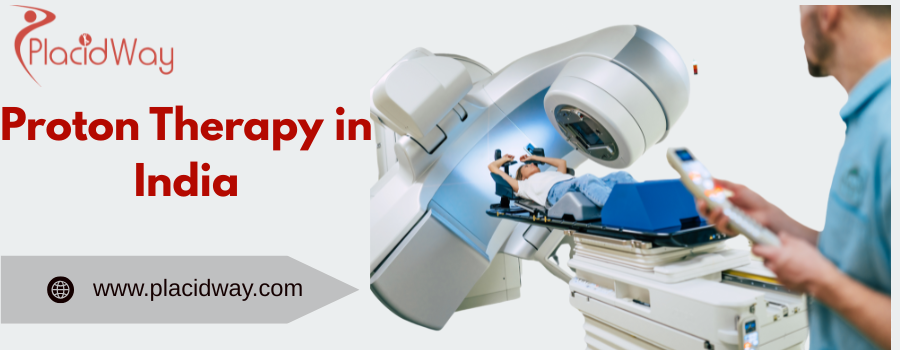
A good candidate for Proton Therapy in India is typically a patient with a solid, localized tumor situated near critical organs or sensitive structures such as the brain, spinal cord, or eyes. Children are especially ideal candidates due to their developing bodies’ vulnerability to radiation. Opting for this advanced treatment in India can lead to significant cost savings, with prices ranging from $24,000 to $36,000 USD, often less than one-third of Western costs.
Facing a cancer diagnosis is a profound challenge, and navigating the complex world of treatment options can feel overwhelming. For many, proton therapy in India represents a cutting-edge advancement in the fight against cancer, offering new hope.
This highly precise form of radiation therapy is an excellent option for specific patients, as it masterfully targets tumors while protecting surrounding healthy tissue. India has rapidly established itself as a hub for advanced medical care, boasting world-class facilities offering this treatment.
This guide will help you understand the criteria and benefits, answering the key question: Who is a good candidate for Proton Therapy in India? As a medical tourism facilitator, PlacidWay connects patients to trusted providers but does not offer direct medical care or advice.
Our aim is to provide comprehensive information to empower you in your treatment decisions, helping you determine if proton therapy in India is the right path for you or your loved one on the journey to recovery.
What are the Key Benefits of Proton Therapy?
- Exceptional Precision: Protons deliver a highly focused dose of radiation directly to the tumor site, minimizing exposure to healthy tissues.
- Reduced Side Effects: Due to its precision, proton therapy often leads to fewer short-term and long-term side effects compared to traditional radiation.
- Optimal for Children: It is particularly beneficial for pediatric cancers, protecting developing organs and reducing the risk of secondary cancers.
- Targets Complex Tumors: Effective for tumors located near vital structures where traditional radiation would be too risky.
- Better Quality of Life: With fewer complications, patients can experience an improved quality of life during and after treatment.
Understanding Proton Therapy: A Precise Cancer Treatment
“Proton therapy is a highly advanced type of radiation therapy that uses protons (positively charged particles) to precisely target and destroy cancer cells. Its main advantage is its ability to minimize damage to surrounding healthy tissue.”
Unlike traditional radiation, which employs X-rays (photons) that traverse the entire body and can harm healthy cells before and after reaching the tumor, proton beams can be meticulously controlled. These beams are designed to deposit their maximum energy directly at the tumor site.
This unique characteristic is known as the “Bragg Peak.” It ensures that the highest dose of cancer-killing energy is delivered precisely where it is needed, without continuing through the body and affecting other healthy organs.
This unparalleled precision makes proton therapy a much safer and often more effective option for many types of cancer, particularly when tumors are located in sensitive or difficult-to-reach areas.
Proton Therapy Outcomes: Efficacy, Risks, and Considerations
Evidence & Outcomes: Proton therapy has shown promising clinical outcomes, particularly for tumors near critical structures, with comparable or superior control rates to conventional radiation therapy. Its ability to spare healthy tissue significantly reduces treatment-related morbidity, leading to better long-term quality of life and lower rates of secondary cancers, especially in pediatric cases.
Risks & Contraindications: While highly precise, proton therapy can still have side effects, including fatigue, skin irritation, and temporary hair loss in the treated area. The specific risks depend on the tumor’s location and the patient’s overall health. Individual results vary, and it is crucial to consult a qualified radiation oncologist to discuss potential benefits versus risks for your specific condition. Seek immediate medical care if you experience severe pain, high fever, or unexpected neurological symptoms during or after treatment.
Did You Know?
Did you know that India is home to some of the world’s most advanced medical facilities, where patients often save significant amounts on Proton Therapy while receiving care that meets or exceeds international hospital standards?
Cost of Proton Therapy in India: A Comparative Overview
The cost of proton therapy in India presents a significant advantage for international patients. While it is an advanced treatment, the expenses are considerably more affordable compared to Western countries.
This affordability does not compromise quality, as India’s leading centers offer world-class technology and expertise, making it a compelling destination for specialized cancer care.
Cost Breakdown
Major Savings
| Country |
Estimated Cost |
Average Savings |
| India |
$24,000 – $36,000 |
Starting Point Best Value |
| United States |
$100,000+ |
60-75% Savings |
| Europe |
$80,000 – $120,000 |
50-70% Savings |
| Canada / Australia |
$90,000 – $130,000 |
60-75% Savings |
Essential Facts & Pro-Tips
1
Fast Fact: India is home to world-class facilities like the Apollo Proton Cancer Centre in Chennai and the Tata Memorial Centre in Navi Mumbai, equipped with advanced proton therapy technology.
2
Travel Tip: When planning medical travel, consider visa requirements and local accommodation near your chosen proton therapy center. Many facilities offer patient support services to assist with these logistics.
3
Recovery Tip: Adhere strictly to post-treatment care instructions, including any dietary guidelines and rest recommendations. Maintain open communication with your oncology team for optimal recovery.
Navigating the Proton Therapy Journey in India
The evaluation process for proton therapy in India is thorough and patient-centric, ensuring that only suitable candidates receive this specialized treatment.
The journey minimizes downtime while ensuring every safety protocol is strictly followed from initial consultation to post-treatment care.
Step 1
Initial Consultation and Records Review
The process starts with a comprehensive consultation with a radiation oncologist at a specialized proton center. You’ll need to provide all existing medical reports, pathology slides, and imaging scans (CT, MRI, PET).
Step 2
Multidisciplinary Tumor Board Evaluation
Your case is then presented to a tumor board. This panel of experts, including surgeons, oncologists, and radiologists, collaboratively reviews your information to confirm candidacy and determine if proton therapy is the optimal treatment.
Step 3
Personalized Treatment Planning and Execution
If approved, a highly detailed 3D treatment plan is created to precisely map out the procedure, ensuring maximal tumor targeting and minimal healthy tissue exposure. Treatment sessions then commence as planned.
Frequently Asked Questions
1. Is Proton Therapy safe in India?+
Yes, proton therapy in India is safe, with facilities like Apollo Proton Cancer Centre and Tata Memorial Centre adhering to international medical standards. These centers employ advanced technology and experienced multidisciplinary teams to ensure high-quality care.
Safety protocols are rigorously followed, reflecting India’s growing reputation as a hub for advanced, yet affordable, medical treatments.
2. What exactly is Proton Therapy?+
Proton therapy is a highly advanced type of radiation therapy. It utilizes protons, which are positively charged particles, to precisely target and destroy cancer cells within the body. Its key advantage lies in its ability to deliver radiation to the tumor with extreme accuracy.
This method significantly minimizes damage to surrounding healthy tissues and organs, reducing side effects compared to traditional X-ray radiation. It is particularly valuable for tumors located near vital structures.
3. Who is an ideal candidate for Proton Therapy?+
The ideal candidate for proton therapy is typically a patient with a solid, localized tumor located near critical organs or sensitive structures. These include the brain, spinal cord, or eyes, where preserving healthy tissue is paramount.
Children with cancer are also highly recommended candidates due to their developing bodies’ increased vulnerability to long-term radiation side effects. A multidisciplinary team evaluates each case to confirm suitability.
4. Why is Proton Therapy highly recommended for children?+
Proton therapy is highly recommended for children because their bodies are still developing. This makes them especially vulnerable to the long-term side effects of traditional radiation, which can include stunted growth, hormonal problems, and cognitive impairments.
Proton therapy significantly reduces these risks by sparing healthy tissue, thereby protecting their growth, cognitive development, and future health. It offers a chance for a full recovery with fewer lasting complications.
5. What types of cancer does Proton Therapy treat?+
Proton therapy is used to treat a wide range of solid tumors in both adults and children. It is particularly effective for cancers of the brain and spinal cord, head and neck, prostate, lung, and certain gastrointestinal tumors. It also treats sarcomas.
Its tissue-sparing properties make it ideal for tumors located near vital organs or in areas previously treated with traditional radiation.
6. What is the cost of Proton Therapy in India?+
The cost of proton therapy in India typically ranges from ₹20 lakh to ₹30 lakh, which is approximately $24,000 to $36,000 USD. This cost can vary based on the complexity of the case, the number of sessions required, and the specific treatment center chosen.
Notably, this is significantly more affordable than in countries like the United States or Europe, where similar treatments can easily exceed $100,000.
7. Is Proton Therapy covered by insurance in India?+
Insurance coverage for proton therapy in India is evolving. Some private health insurance policies may offer coverage, but it often requires specific pre-authorization and is not always guaranteed. Patients should have a detailed discussion with their insurance provider as early as possible.
For treatment at public hospitals like Tata Memorial Centre, government schemes may also apply, potentially reducing out-of-pocket expenses for eligible patients.
8. How does Proton Therapy differ from traditional radiation?+
The main difference between proton therapy and traditional radiation lies in the type of particle used and how it behaves. Proton therapy uses protons, which exhibit a characteristic “Bragg Peak.” This means they deposit most of their energy at a specific depth and then stop.
In contrast, traditional radiation uses X-rays (photons) that travel all the way through the body, delivering radiation to healthy tissues both before and after the tumor. This “exit dose” from traditional therapy increases the risk of side effects, which is significantly reduced with proton therapy’s precise energy delivery.
Ready to Take the Next Step Towards Recovery?
Choosing the right destination for your medical care is significant. By opting for treatment abroad, you are not just saving on costs—you are gaining access to specialized clinicians and world-class care.
Get Your Free Quote Now
Medical Disclaimer: This article is intended solely for informational and educational purposes and does not constitute medical advice, diagnosis, or treatment recommendations. PlacidWay is a medical tourism facilitator, connecting patients with healthcare providers, and does not provide direct medical services. While we strive to offer accurate and current information, medical knowledge is constantly evolving, and individual patient situations vary significantly. Always consult with a qualified physician or healthcare professional before making any decisions about your health or treatment plan. Outcomes are not guaranteed, and individual results will vary based on numerous factors, including the specific condition, overall health, and response to treatment. If you experience severe or worsening symptoms, please seek immediate professional medical care.